
BSc (Hons) Broadcast Engineering with Integrated Foundation Year
Apply now:
Currently reading: Course overview
Course overview
-
Starts:Sep 2026
-
Duration: 4 years
-
Mode:Full time
-
UCAS code:P322
-
Fees:UK: £9,790 (2026/27) International: £17,500 (2026/27)
Kick-start your broadcasting career
Want to bring your production ideas to life?
On our BA (Hons) Broadcast Engineering with an Integrated Foundation Year, you’ll master technical production for live and pre-recorded events, develop core industry knowledge, and build practical skills through hands-on, guided projects that prepare you for a dynamic and competitive media landscape.
Why study this degree?
- 40 years’ experience: one of the most esteemed courses of its kind in the UK
- Develop the right skillset and professional mindset to work in technical engineering and operations
- Gain practical experience in studio and location operations, signal routing and fault finding through the whole audio-visual chain
- Ideal for future broadcast engineers and TV broadcast crew
- Excellent alumni network of senior broadcast engineers.
quote 2
My favourite moment at Ravensbourne so far was our live television show day. It felt like we were all working on a real television show – it was all filmed live and we only had one shot at it. We were planning it for weeks in advance and it all came together so well.”
title
Ravensbourne’s BA (Hons) Broadcast Engineering with an Integrated Foundation Year equips you with the skills to work across live, streamed, and virtual productions. Combining nearly 40 years of teaching expertise with hands-on studio and location experience, you’ll master audio-visual systems, signal routing, and emerging technologies like virtual production, UHD, Dolby, and AI.
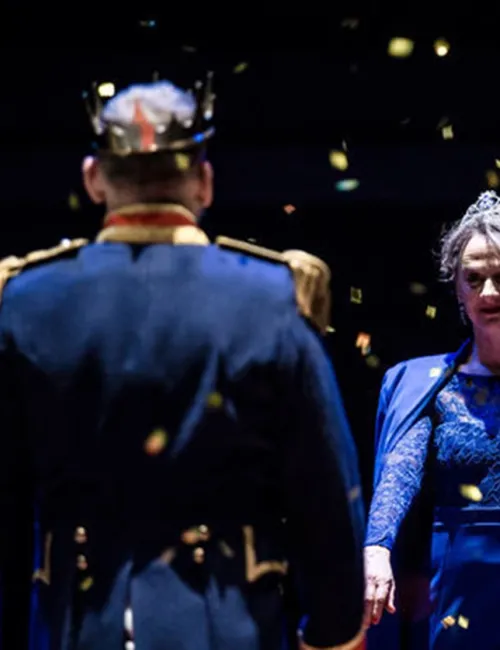
Industry-focused projects and connections with partners such as the Royal Shakespeare Company prepare you for operational and engineering roles, giving you the technical skills and professional mindset to thrive in broadcast media.
The specifics
Downloadable course specification*
*Subject to revalidation
Facilities
Our facilities are open to every student
One of the best things about our facilities is that they are open to all students no matter what course they are studying.
Watch the video and then scroll through the gallery to see what else you could use.
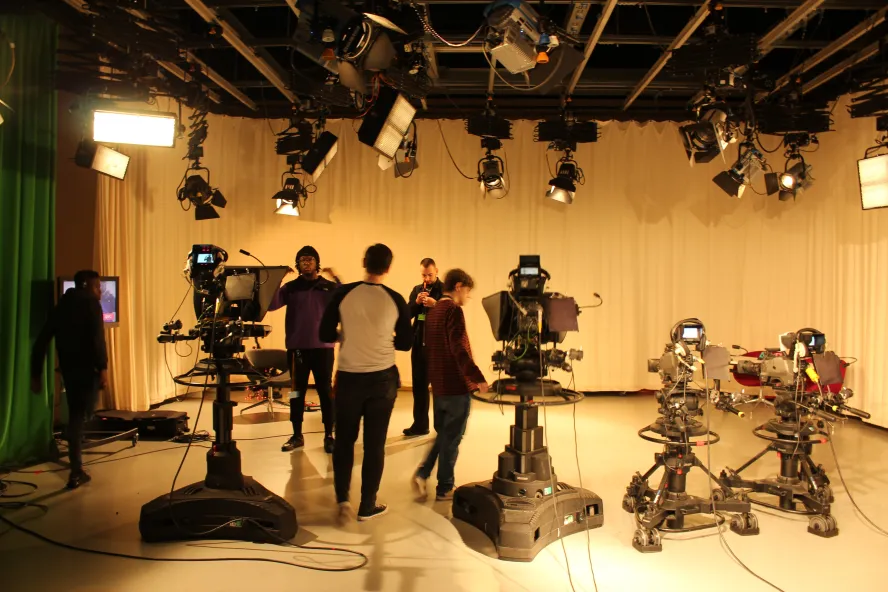
Broadcast engineering cross-working
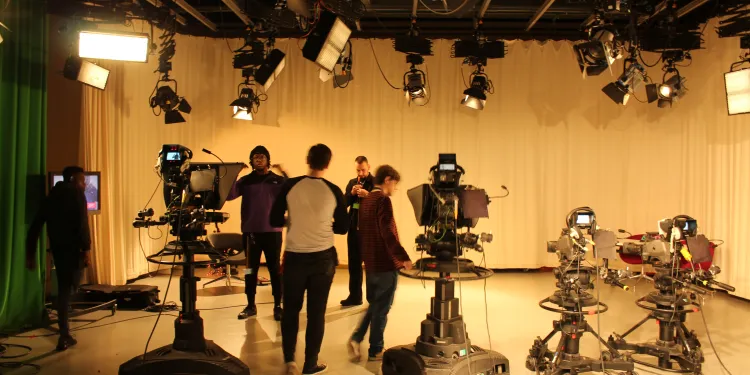
Broadcast engineering students also use our on-site TV studio on collaborative projects with digital production students.
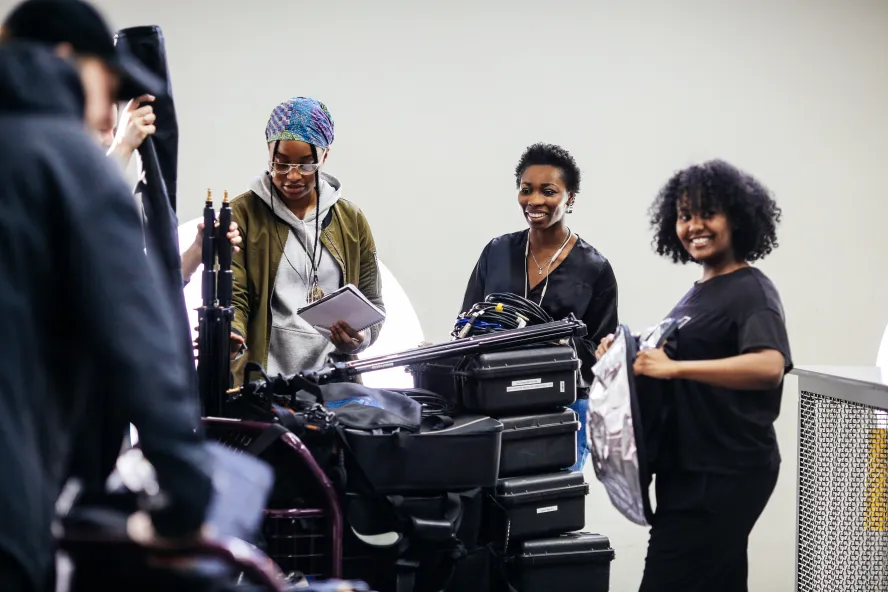
Kit Store at Ravensbourne
As a digital student, you'll need access to equipment relevant to your course that will support your learning.
The Kit Store provides a wide range of equipment that students can borrow to complete their projects. Staff can also borrow equipment to deliver their practical sessions.
It houses a wide range of equipment from industry standard manufacturers, including cameras, audio, lighting, and more.
Staff at the Kit Store are trained in various relevant departments and are available to give advice on all the equipment within the store, to help you realise your project.
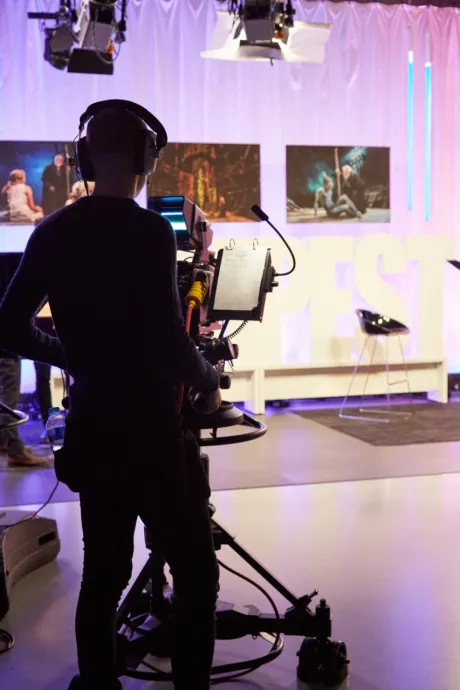
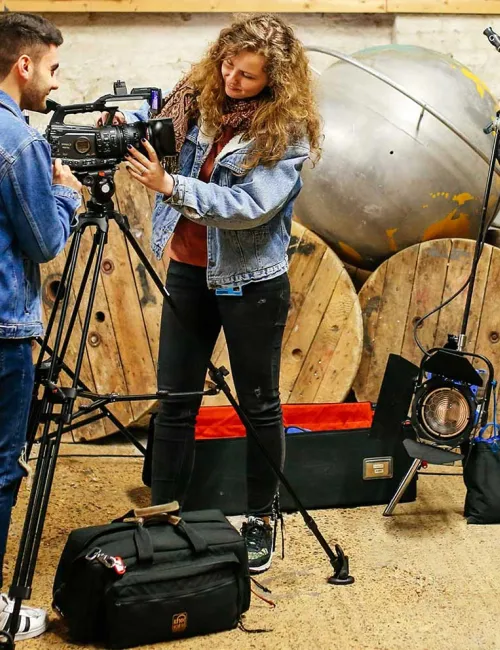
Broadcast engineering student at work
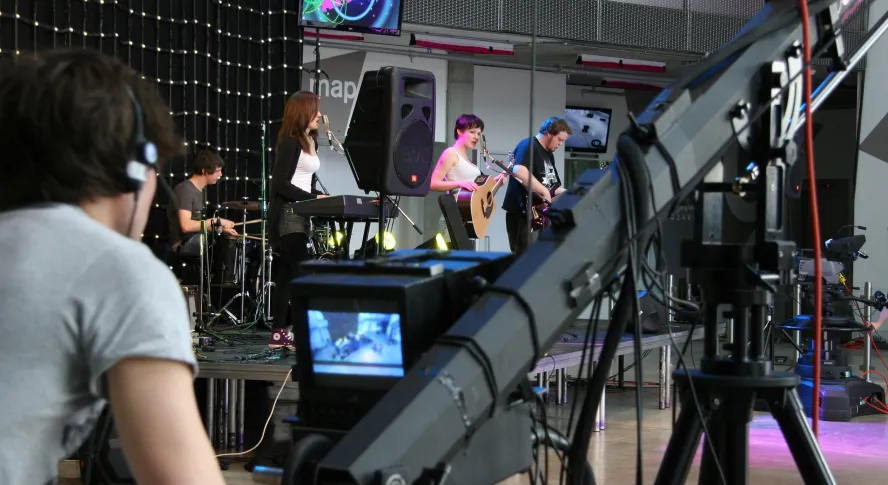
Broadcast engineering student on set
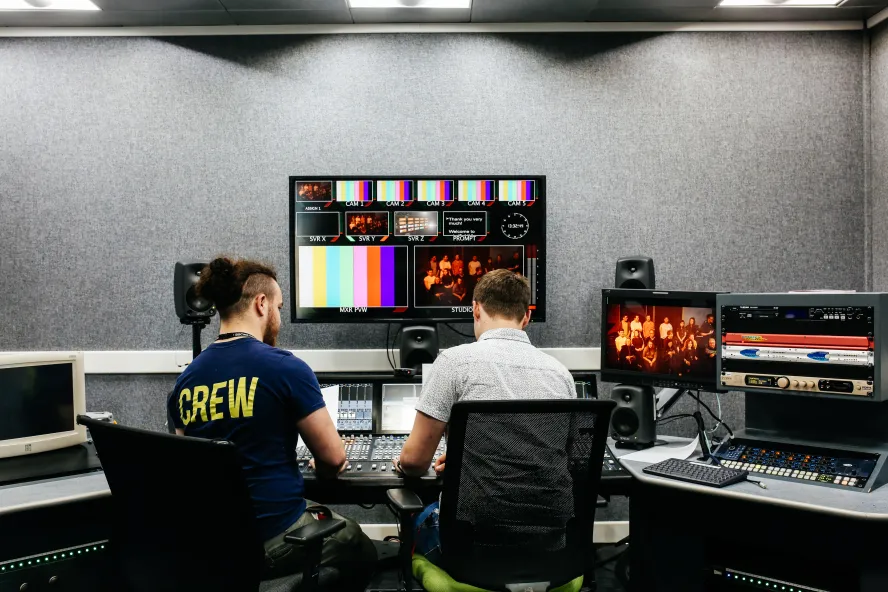
Digital television technology
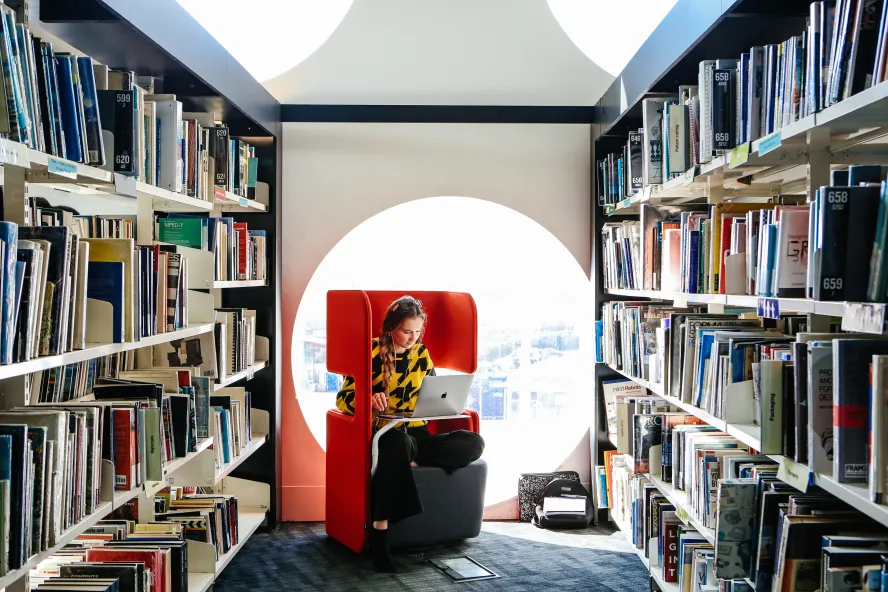
Library at Ravensbourne
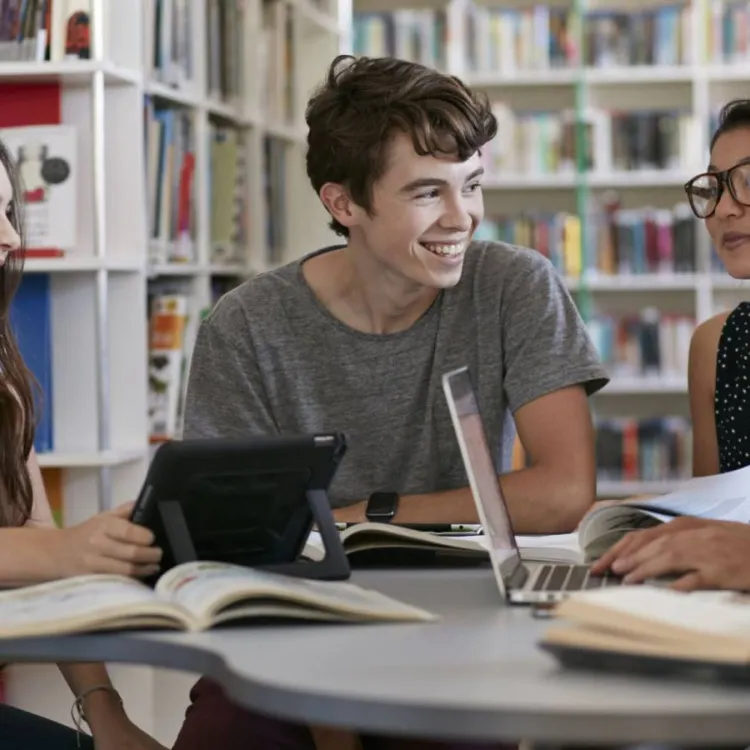
The Ravensbourne University library has a large collection of print, online and multimedia resources available for staff and students to use.
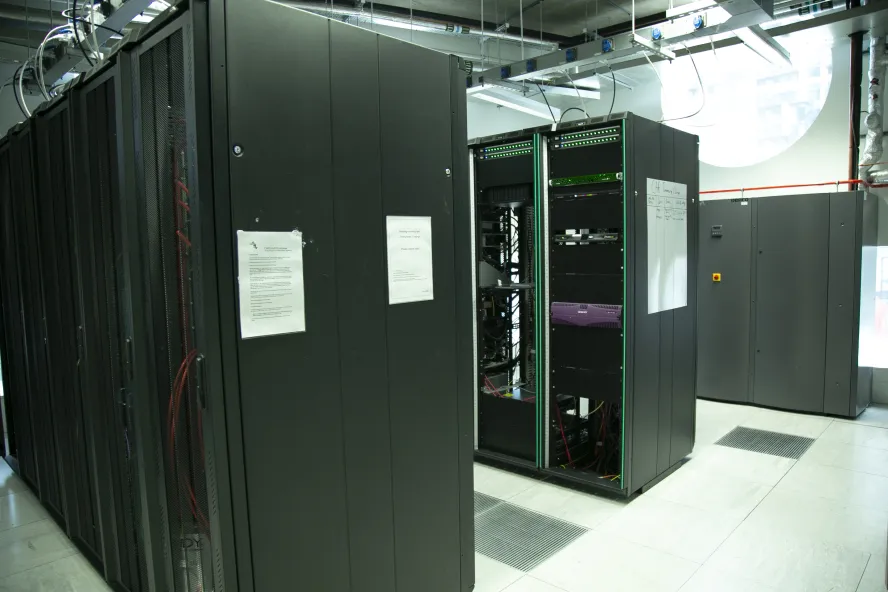
Broadcast engineering
Our broadcast engineering students use a range of emerging technologies such as satellite streaming, multi-platform streaming and cloud computing, alongside more traditional principles
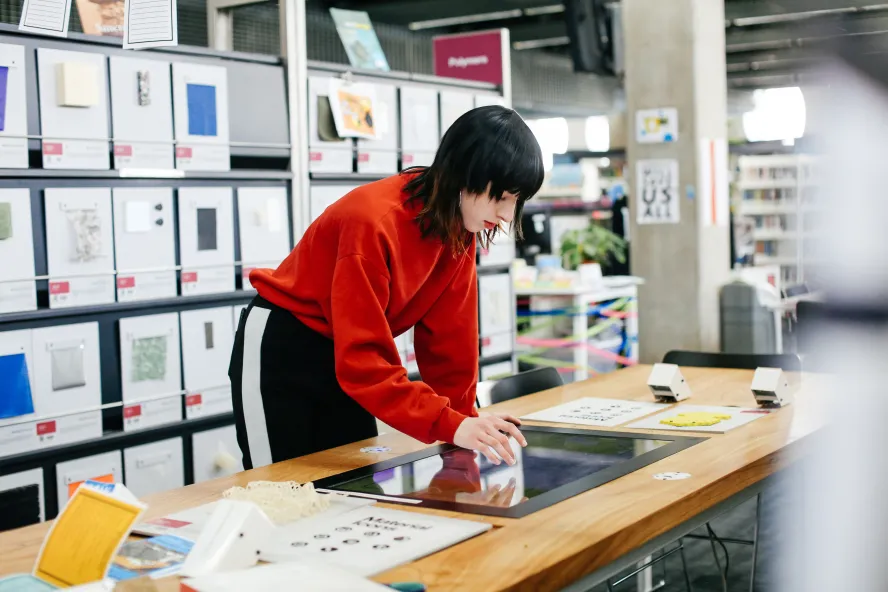
Materials library
The Ravensbourne materials library is curated by Material ConneXion, a business that introduces brands to the latest material innovations.
The materials scientists at Material ConneXion select innovative materials relevant to the courses at Ravensbourne and that reflect current trends in design and manufacturing.
Samples of these materials are then added to the library so students and staff can browse the physical collection for inspiration, material ideas and applications.
The library hosts 1,500 material samples and an interactive table for further research and access to the Material ConneXion database.
External visitor information
If you wish to come and see the materials library and have a short tour, please contact us to organise.
The materials library can be used by external students registered with the SCONUL access scheme.