Currently reading: Course overview
Course overview
BA (Hons) Motion Graphics
-
Starts:Sep 2026 Sep 2027
-
Duration: 3 years
-
Mode:Full time
-
UCAS code:W280
-
Fees:UK: £9,790/year International: £17,500/year
*Fees apply to 2026-27 entry only. Subject to change for 2027-28 entry.
The BA (Hons) Motion Graphics will be renamed to BA (Hons) Motion Design in September 2027.
Get your career in motion.
A BA (Hons) in Motion Graphics offers exciting opportunities for aspiring designers interested in graphics, animation, and film, allowing you to blend these disciplines and unlock your creative potential.
Why study this motion graphics degree?
This long-established, forward-thinking course covers all aspects of motion graphics, blending practical skills with creative design.
- Industry-Aligned: Strong partnerships with companies like Art&Graft, Builders Club, Golden Wolf, FutureDeluxe and Mayda.
- Creative Focus: Develop design skills while exploring the history and future of motion graphics.
- Real-World Exposure: Access to design studios, post-production houses, and major events in London.
- Career-Ready: Graduate with a rich portfolio and excellent employment opportunities.
You'll gain key skills in animation, storytelling, graphic design, 2D/3D software, video production, and experiential design, using industry-standard tools like After Effects and Cinema 4D to create motion graphics for film, TV, online, and live events.
Through strong industry connections, you'll meet guest speakers, visit studios, and gain real-world experience. In your final year, receive expert advice on portfolio development and job market preparation.
Graduate industry-ready with a strong portfolio and excellent employment prospects.
Our NSS results
Motion Graphics delivered exceptional student satisfaction, achieving 97.9% overall positivity.
*Source: Source: National Student Survey 2026. In line with THE methodology, and as the NSS no longer includes a single overall-view question, the above figures represent the average positivity score.

Call our Clearing Hotline on 0203 040 3991.
The specifics
- Course specification - BA (Hons) Motion Graphics: 2026/27
- Course specification - BA (Hons) Motion Design with Integrated Foundation Year: 2026/27*
- Course specification - BA (Hons) Motion Design: 2027/28**
-
Course specification - BA (Hons) Motion Design with Integrated Foundation Year: 2027/28**
*Subject to validation
**Subject to revalidation
Entry requirements
Student work
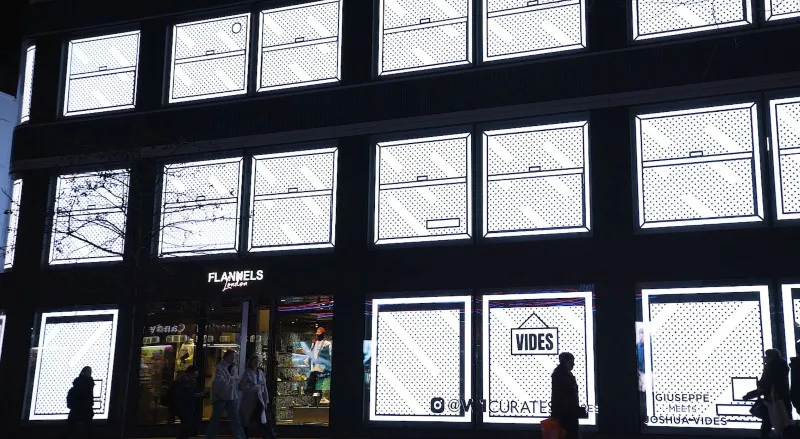
W1 Curates show of Ravensbourne Motion Graphics work in London’s Oxford Street: June 2020

ITV x Motion Graphics Collaboration
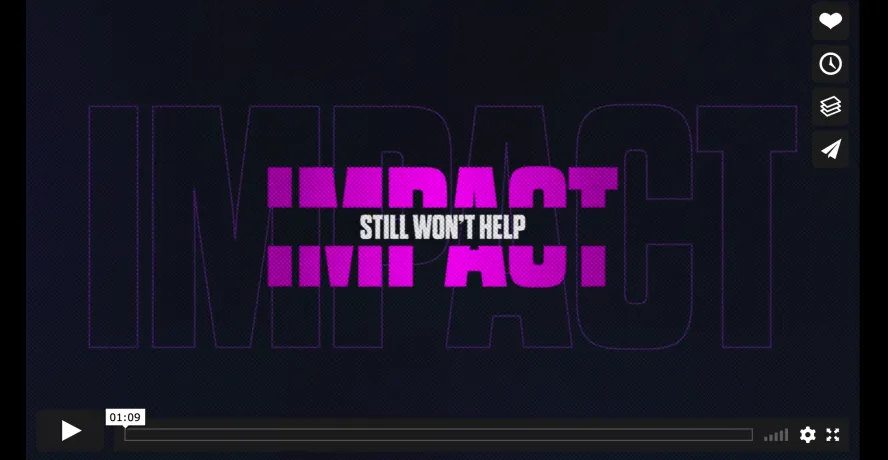
Asim Zubair-Bawa Lyric video for "Impact" by SG Lewis, Robyn, Channel Tres
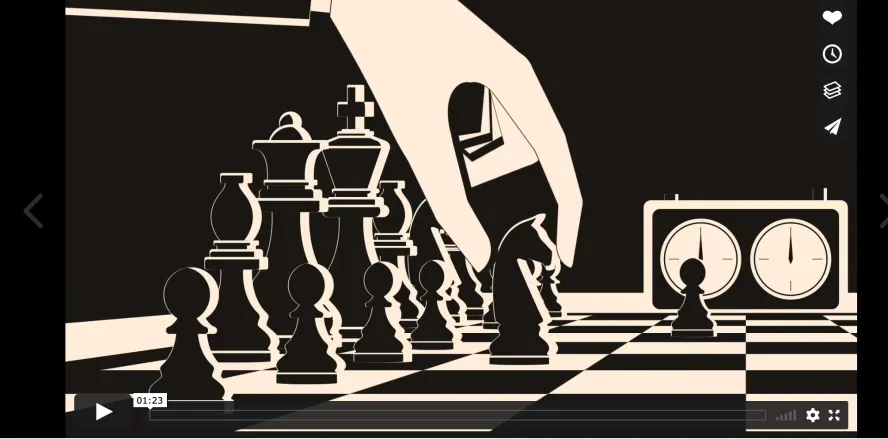
Work by student Aaron Gunasingham G&MS: Channel Branding
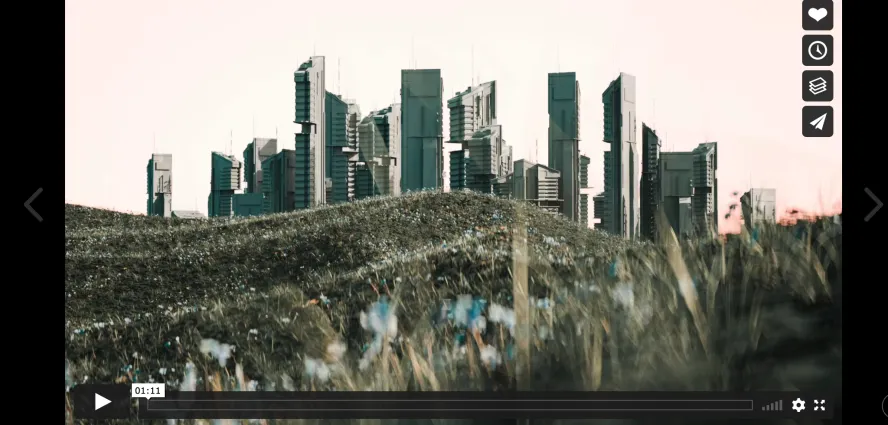
Work by student Edward Pond RSA Student Design Awards 2021: The Future We Choose
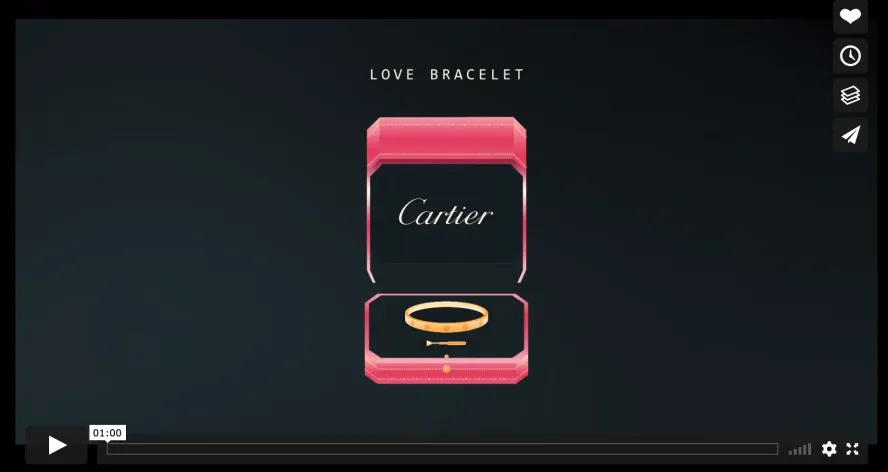
Work by student Harry Bartlam Cartier Love Bracelet: Advert
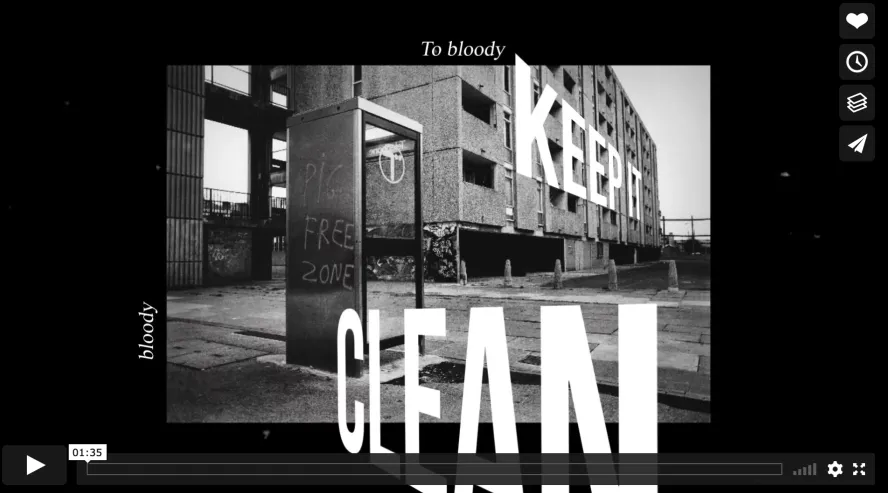
Christian Byrne Lyric video for "Chicken Town" by John Cooper-Clarke
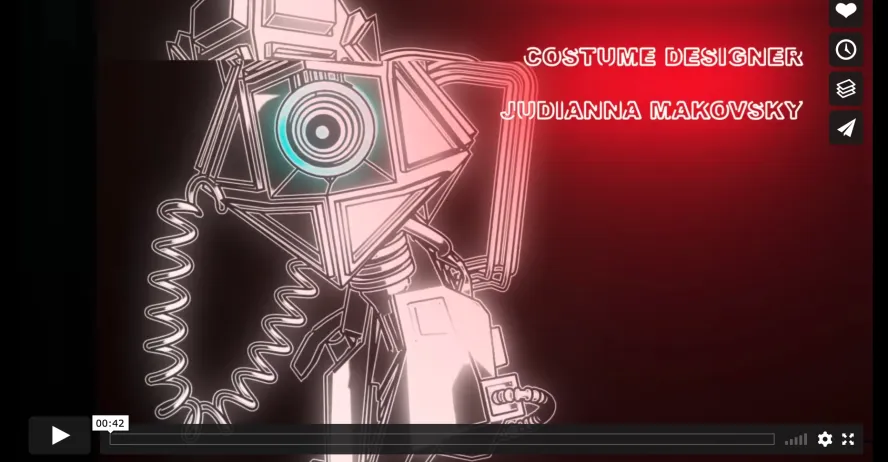
Jack Kerr Title Sequence: Cybernetics

Christian Byrne DeNovo: Channel Branding
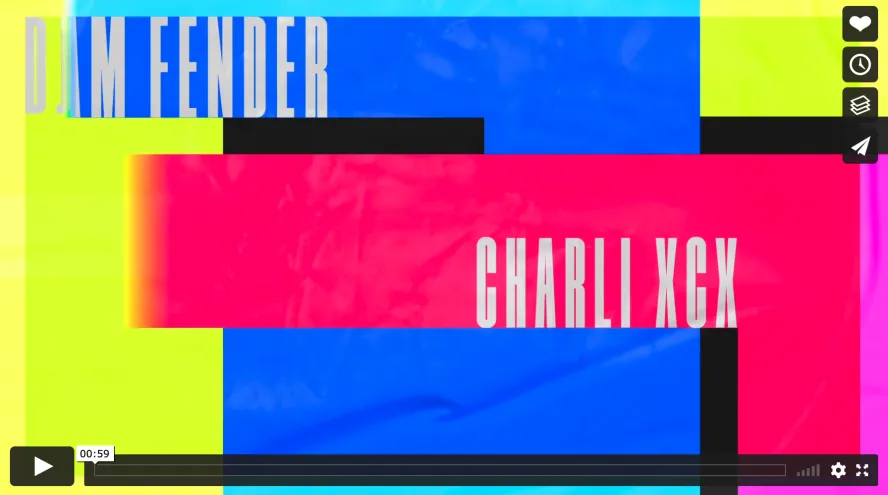
Aoife Magennis Electric Picnic Festival: Branding
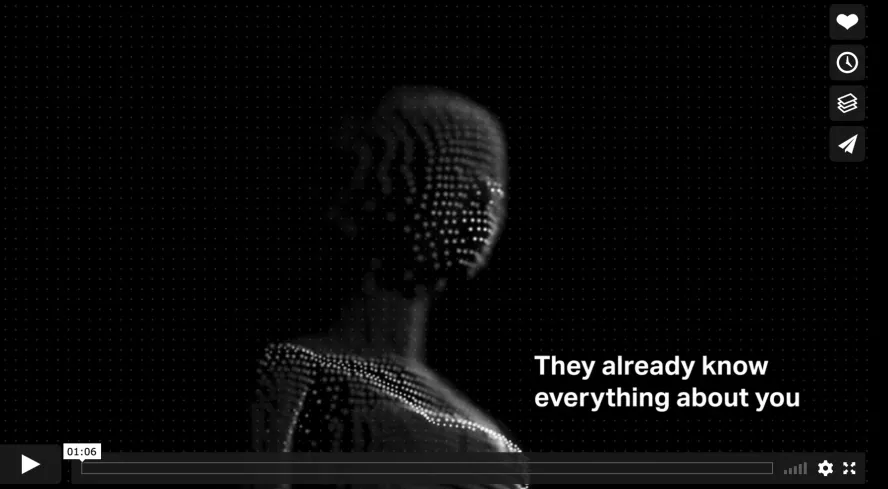
Sam Singleton Think before you share
quote
Studying at Ravensbourne helped me figure out exactly what I wanted to do. The constant stream of industry talks and guest speakers really inspired me and highlighted the different paths my degree could take me.”
Student and alumni stories
Student and alumni stories

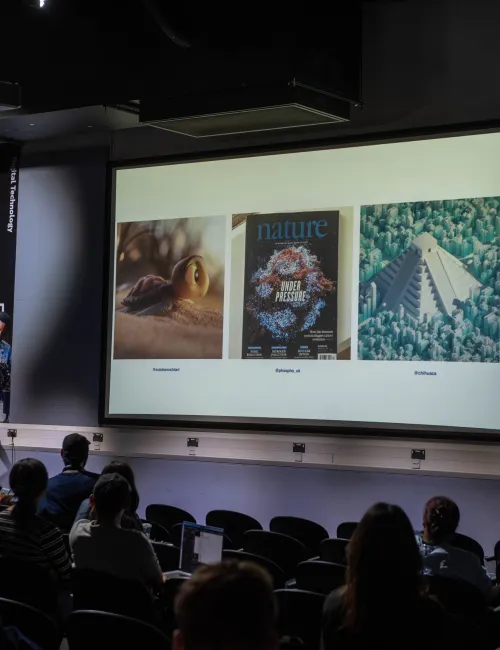

Seth Wallis
Senior motion designer at Born Social, a global social media agency based in London.
Read my story


Caitlin Smyth
Motion Graphics Designer and Illustrator at London-based creative agency, RATCHET
Read my story





Location and facilities
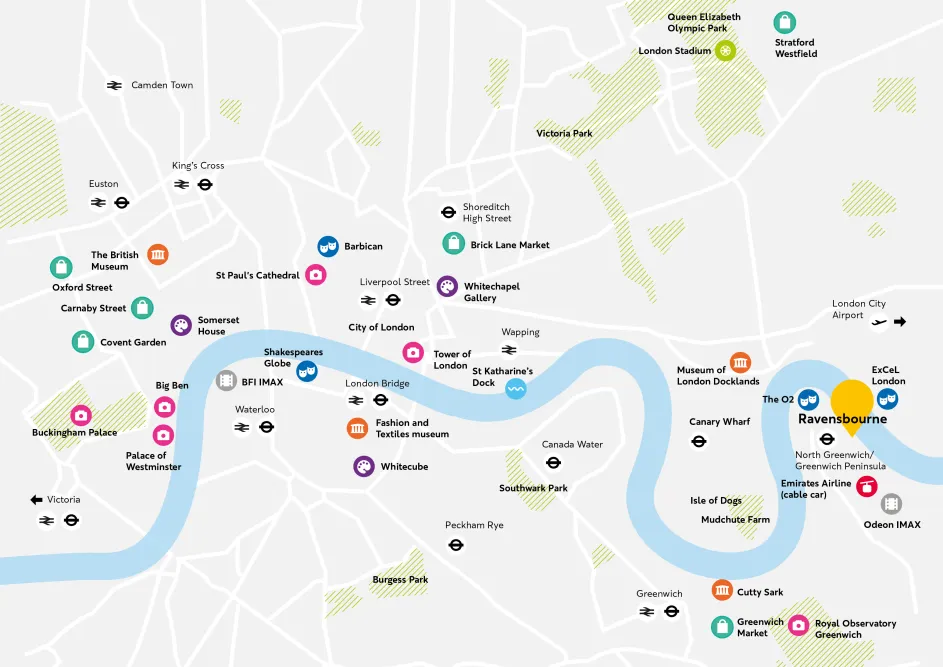
We enjoy a prime location right next to the iconic O2, placing our students at the heart of one of London's most vibrant innovation hubs.
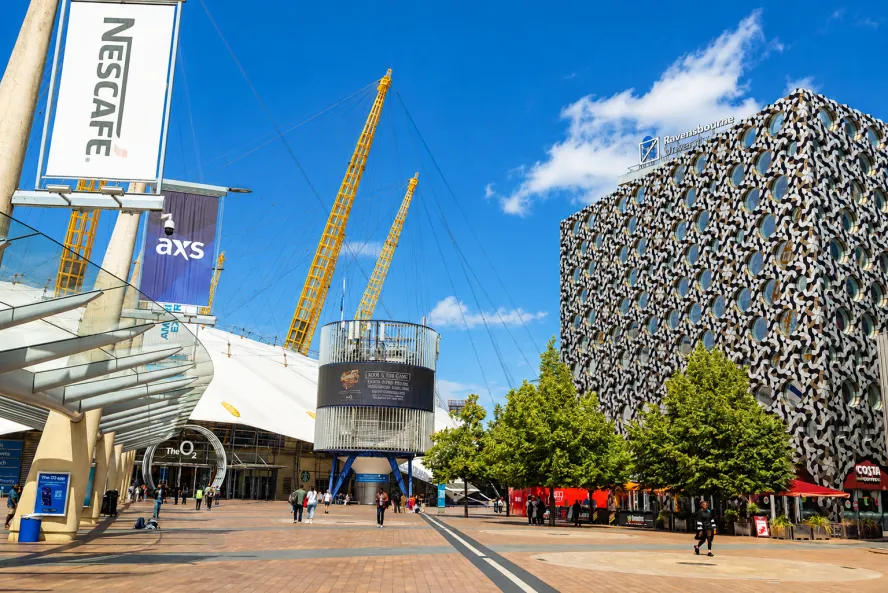
Ravensbourne R1 building and campus
Discover our campus which brings together a range of courses at the intersection of business, technology, and creativity.
Located in the heart of the Design District and next to London's iconic O2 Arena, you'll study in a vibrant hub of innovation. Find out more about our campus and its cutting-edge facilities here.
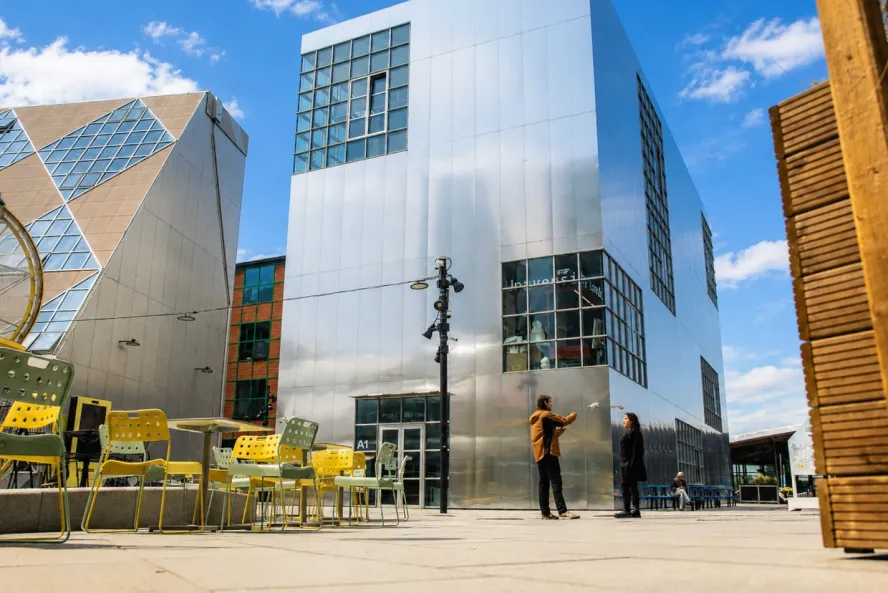
R2 Building (Centre of Excellence in Emerging Technology)
The futuristic Centre of Excellence in Emerging Technology is one of many industry-standard facilities available to all Ravensbourne students and is located in our R2 building within the Design District.
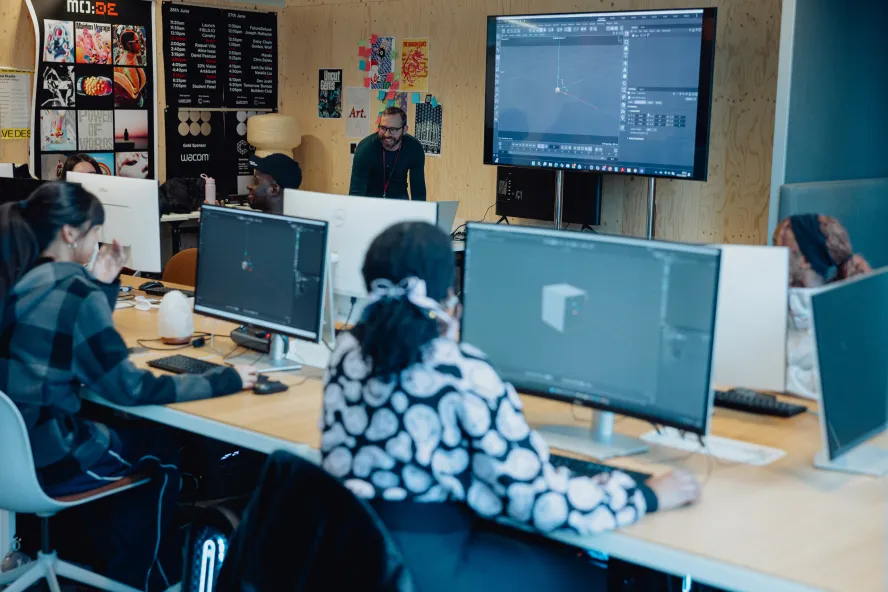
R3 lab space
Modern lab spaces equipped for hands-on learning, experimentation and innovation.
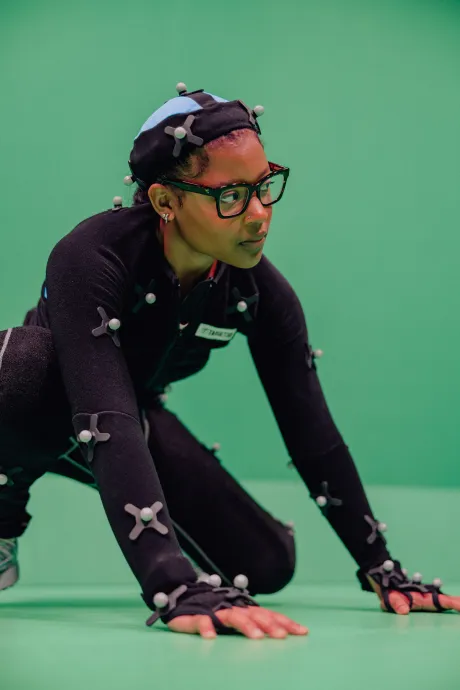
Motion capture technology
Work with professional motion capture technology to explore character movement, performance and immersive game design.

Library
Our library offers a wide range of print, digital and multimedia resources to support learning, teaching and research find out more