
BEng (Hons) Architectural Design Engineering
Apply now:

Course overview
BEng (Hons) Architectural Design Engineering
-
Starts:Sep 2027
-
Duration: 3 years
-
Mode:Full time
-
UCAS code:K410
-
Fees:UK: To be confirmed International: To be confirmed
Architectural design in action
Blend creativity, engineering expertise, and industry experience to design innovative structures addressing the challenges of today’s urban environments.
Why study this degree?
1
Discover the key elements of architectural design
Learn through studio and practice-based learning
2
Delve into core architecture technologies
Develop applied knowledge of structures, materials, and environmental systems
3
Gain experience on complex briefs
Work through briefs including transport hubs, sports venues, and infrastructure projects
4
Advance your skills in architectural technology
Explore digital modelling, performance analysis, and technical communication
5
Diversify your career pathways
Prepare for diverse built environment careers, with interdisciplinary collaboration alongside architecture students
More reasons to choose this course
What makes this course unique?
- Integrated Learning: Combines design, structure, and building performance in a collaborative, practice-based curriculum.
- Industry Engagement: Work on live briefs from industry and community, addressing the needs of evolving cities like London.
- Physical & Digital Tools: Use model-making, Revit (BIM), and IES (thermal modelling) to enhance industry readiness.
- Collaborative Learning: Attend lectures and seminars focused on designing public spaces, new buildings, and retrofitting existing ones.
- Design-Led Focus: Studios prioritise infrastructure briefs while teaching engineering principles.
- Progression to Part 2 Architecture: Keep the architectural path open while gaining engineering credibility for professional registration.
- Interdisciplinary Learning: Shared modules with Architecture, Interiors, and Urban Landscape.
- Built Environment Impact: Tackle real-world projects on transport, public spaces, sports, and cultural venues in London
Key learning methods
- Industry-Connected, Project-Based Learning: Embedded in real-world projects with industry collaboration.
- Interdisciplinary Learning: Supports coherence across modules and a creative, inclusive student experience.
- Signature Pedagogies:
- Creative, collaborative, and authentic learning
- Digital, regenerative, and purpose-driven education
- Inclusive and embodied teaching practices
- Digital & Technological Innovation: Emphasis on emerging tech like AI, VR, and AR, with access to collaboration labs and Centre of Excellence in Emerging Technologies.
- Inclusive Practice: Focus on mental health, neurodiversity, and cultural competence, fostering a sense of belonging.
- Collaborative Learning: Student voice shapes learning through mentoring, tutorials, and cross-disciplinary projects.
- Sustainability Focus: Prepare students to address climate and social justice challenges, with opportunities to engage in UN Sustainable Development Goals and other climate initiatives
The specifics
- Course specification BEng (Hons) Architectural Design Engineering: 2027/28 (subject to revalidation)
- Course specification BEng (Hons) Architectural Design Engineering with Integrated Foundation Year: 2027/28 (subject to revalidation)
Entry requirements
Industry connections
We are proud partners with Open City and their Accelerate programme - Open City's built environment education programme for young people from underrepresented backgrounds.
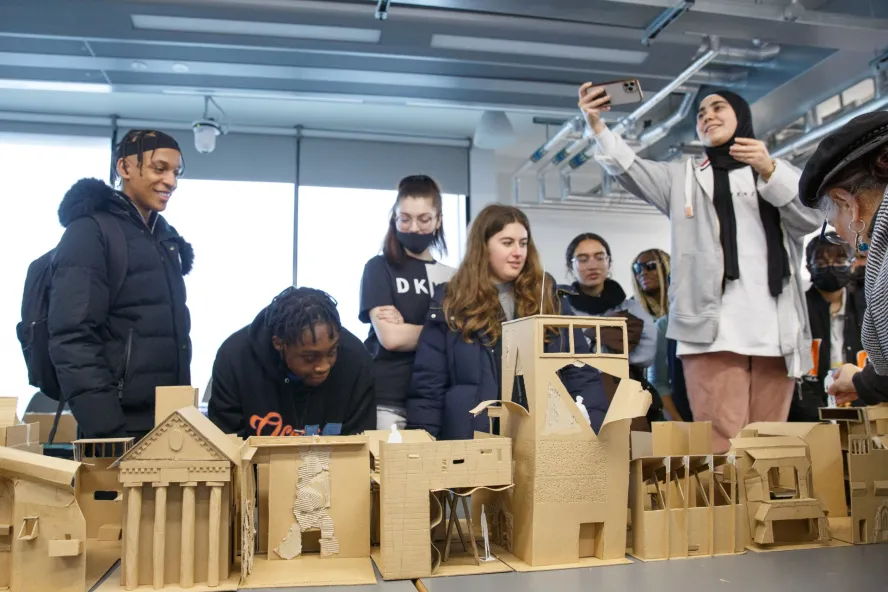
Ravensbourne X Accelerate collaboration
Meet the lecturers
Location and facilities
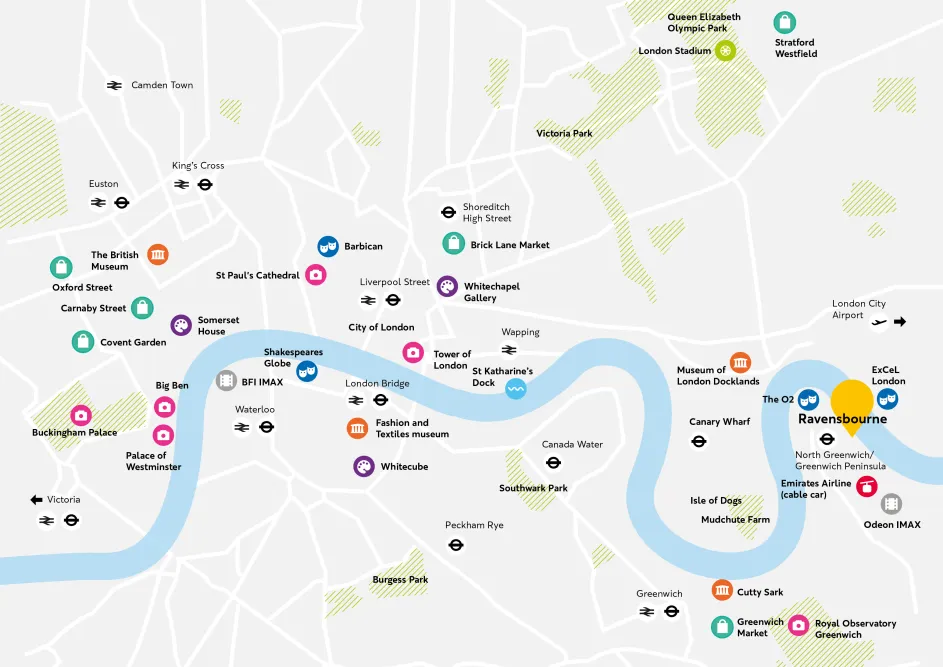
We enjoy a prime location right next to the iconic O2, placing our students at the heart of one of London's most vibrant innovation hubs.
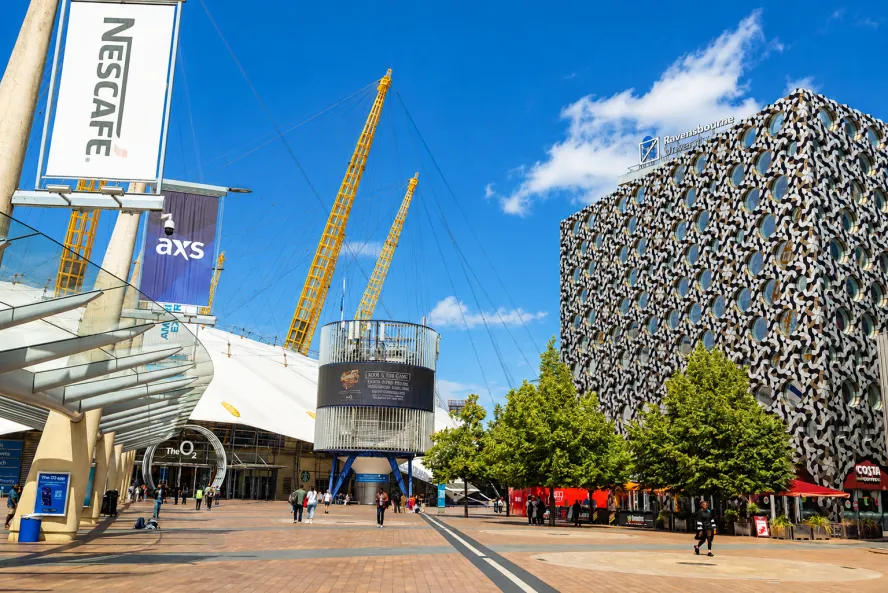
Ravensbourne R1 building and campus
Discover our campus which brings together a range of courses at the intersection of business, technology, and creativity.
Located in the heart of the Design District and next to London's iconic O2 Arena, you'll study in a vibrant hub of innovation. Find out more about our campus and its cutting-edge facilities here.

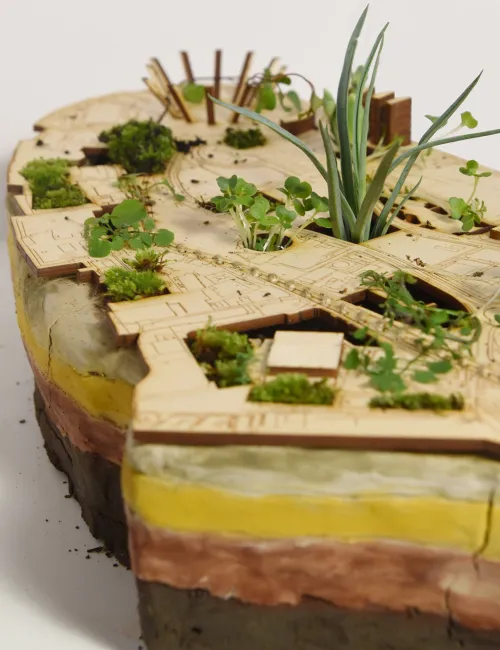
Architecture students building prototype designs
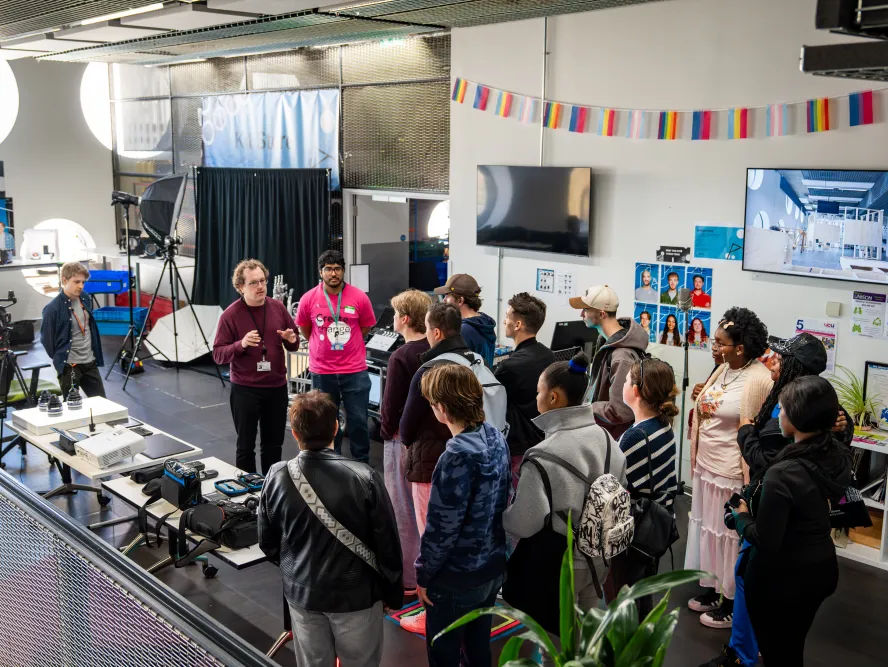
Kit store equipment
Our kit store is open to all students and helps you graduate industry-ready by giving you access to essential cameras, audio lighting and more - find out more about these facilities here.

Study Spaces
Ravensbourne's campus features plenty of inter-disciplinary, open-plan work spaces, ideal for collaboration with your course mates.
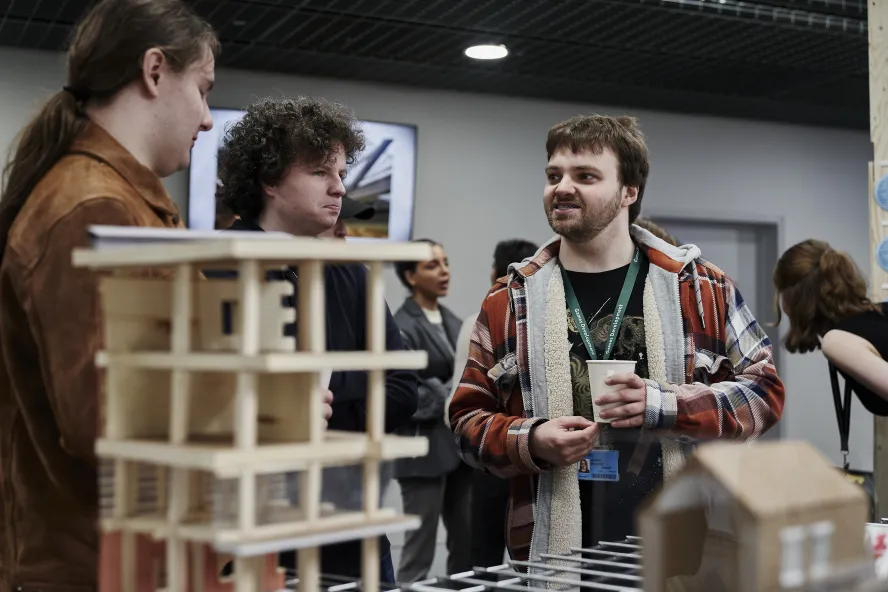
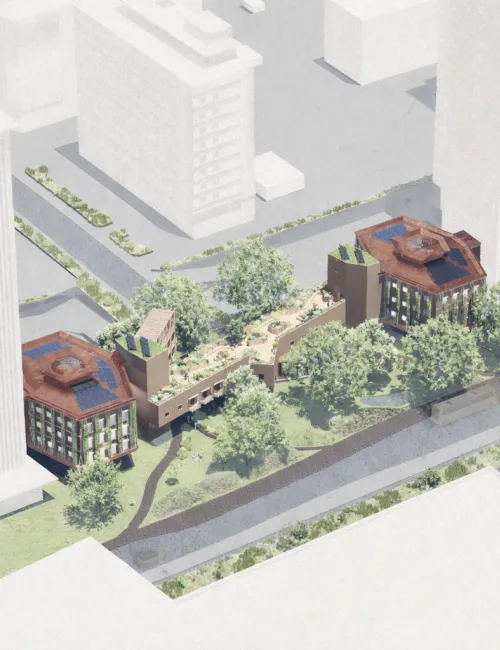
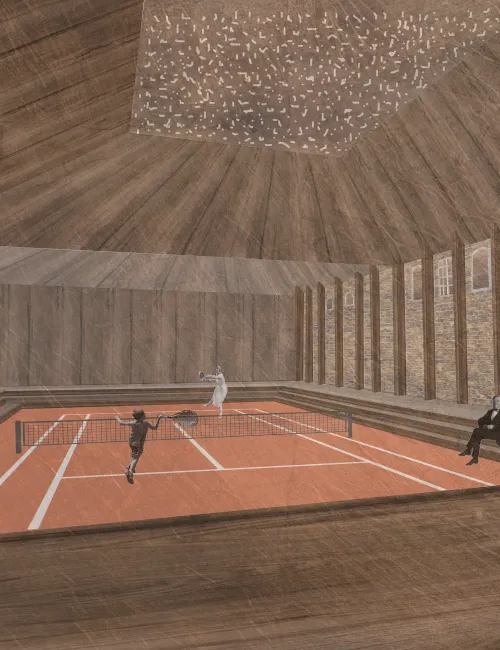
Architecture - showcase 2025

Library at Ravensbourne
The Ravensbourne University library has a large collection of print, online and multimedia resources available for staff and students to use.