
MA Design Communication
Course not available for 2026 entry
Currently reading: Course overview
Course overview
-
Starts:Not running
-
Duration: 1 year
-
Mode:Full time
This course is closed. Explore similar courses on our Postgraduate page.
Perfect your creative voice
Construct a critical practice to analyse, experiment and convey messages, meaning and experiences through a diverse range of media. This interdisciplinary course will enable you to produce a body of work tailored to your interests and motivations and position yourself in the creative and cultural industry.
Why study this degree?
- Engage with emerging technologies and interdisciplinary methodologies to inform contemporary design practice
- Establish an experimental, critical and sustainable design approach informed by cultural, historical and political contexts
- Develop design projects grounded in community engagement, collaboration and meaningful audience interaction
- Analyse complex information and communicate insights effectively through advanced visual communication techniques
- Collaborate with industry professionals to gain practical experience and build valuable professional networks.
Expand and master your visual communication design skills
In this course, you’ll explore theoretical frameworks, creative techniques, and research methods to investigate a subject of your choice, transforming your findings into impactful visual narratives that engage diverse audiences.
Our MA Design Communication course will equip you with the knowledge, confidence, and professional skills to position services, systems, and need-driven design products creatively. You’ll develop your graphic communication design skills, exploring digital design tools, emerging technologies, and the value of design thinking in a competitive marketplace.
You will establish a critical design practice, create dynamic spaces, and apply design to address various needs. By synthesising creativity with business theory, you’ll boost your employability across multiple career paths.
Upon completing the course, you’ll have:
- Practical design thinking skills to turn creative ideas into engaging assets
- Business acumen to inspire audiences across all sectors
- Confidence to drive change and influence decision-making at senior levels
Classes are Monday to Friday, between 9:00am and 9:00pm, with some evening sessions included.
Entry requirements
Home
A lower second-class honours (a 2:2, or equivalent non-UK qualifications) or higher in a relevant subject, or an equivalent professional qualification in a related subject. You will also need to submit a copy of your Curriculum Vitae (CV)/Resume.
If you are applying directly from an undergraduate degree course without experience or professional practice, you must be able to demonstrate a good knowledge of your chosen subject area.
International
If you have international qualifications, please view our entry requirements per country. Along with your academic qualifications, you will also need to submit a copy of your Curriculum Vitae (CV)/Resume.
In order to be eligible for this course, you will need to be a competent speaker and writer of English. If you require a Student Visa you need to provide us with an IELTS or equivalent English language qualification, which demonstrates a minimum of 6.0 (with a minimum of 5.5 in each sub test) or CEFR Level B2 in each component. Please contact [email protected] for more information.
Selection criteria
We welcome suitably-qualified applicants who are able to demonstrate a good level of skills in areas associated with this subject. To get a holistic view of your ability and aptitude to succeed on the course, we will also consider your enthusiasm and interest in the subject area, how you manage the creative process, previous study and your professional skill-set.
Applications are welcome from a wide range of backgrounds and experience including from students who may not necessarily possess formal academic qualifications. It is important that applicants can demonstrate an aptitude for learning and continued professional development through a research-led approach.
Interview and portfolio requirements
Your portfolio can be accepted as a PDF uploaded to the applicant portal, or as a weblink. This should be a portfolio of work containing 6-8 final design solutions with accompanying research materials / sketches. We are looking for applicants that can demonstrate their creative thinking and problem-solving abilities as well as their technical skillsets within their work. Your portfolio must include only work that you have created and where any group projects are submitted you should identify your role in the project. Your portfolio should be a reflection of your journey thus far and also demonstrate your interests and your enthusiasm for your discipline.
There isn't a perfect recipe for a portfolio, but here's an outline of some key ingredients that can effectively showcase your work and interests.
The pivotal element is illustrating your thought process. Provide insights into the methodologies you employ when unpacking a brief and ideating a project. Include sketches, notes, and pictures depicting the making process. Subsequently, reveal the potential outcomes and demonstrate how the work fits into a broader context.
Feel free to incorporate a variety of pieces, whether personal or commercial, ideas yet to be fully developed or student projects. The crucial factor is only to include what you are genuinely proud of. Each piece should reflect your interests, skills, and ambitions, guiding the viewer towards understanding the direction in which you aspire to develop your practice.
Remember, your portfolio is a personal representation, so curate it with pieces that authentically resonate with you and effectively communicate your unique perspective and abilities. Please feel free to include your website, blog or Instagram page if you would like us to see a broader range of your work.
Student work
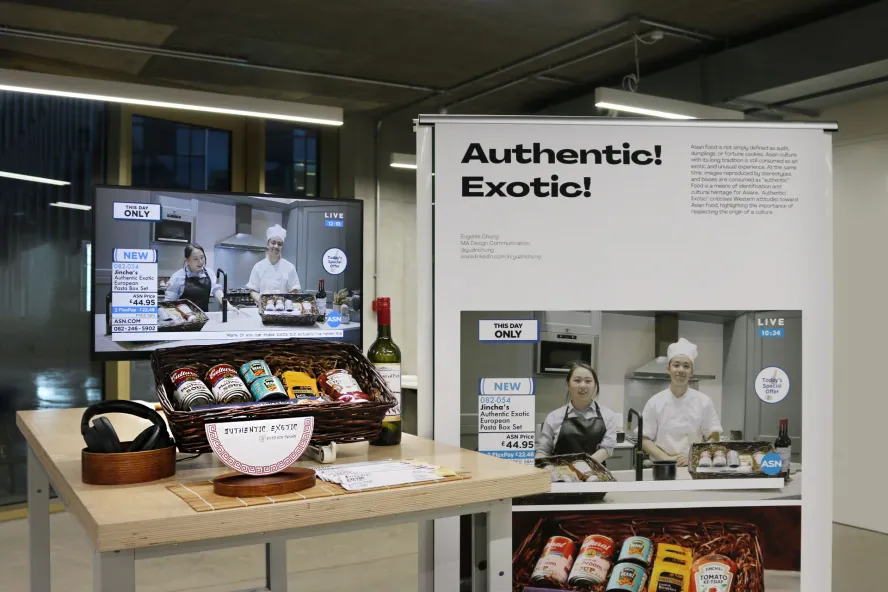
Authentic Exotic 01 by Eugenie Chung, 2022.
Authentic Exotic was a project looking at the exoticization and misrepresentation of Korean food in western countries.
Final major project: A project that serves as a culmination of Eugenie’s academic journey, encouraging innovation, self-expression, and a deep understanding of their chosen subject matter using design communication skills.
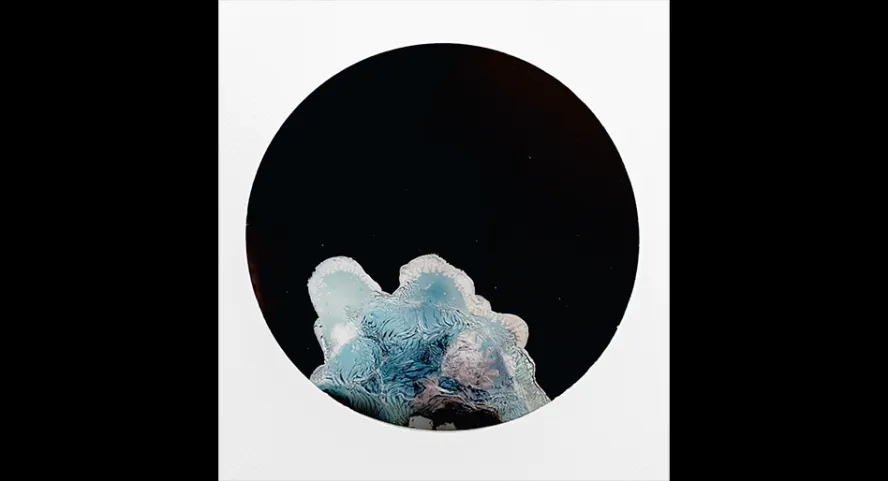
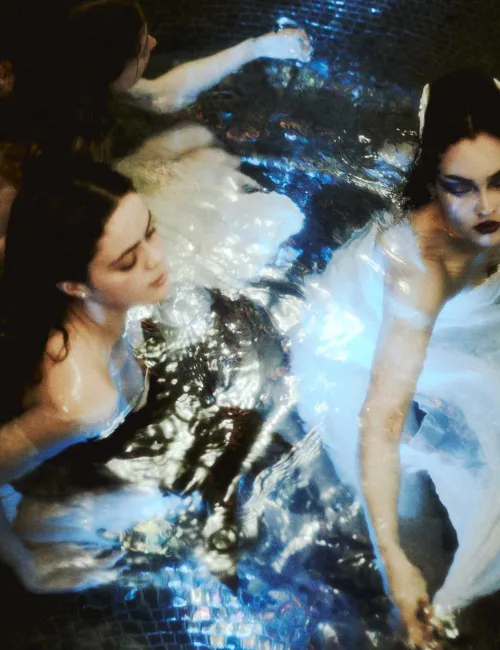
Polaroids by Sara Carpiniello, 2021
The work is part of a module brief asking students to capture emotions through visual language.
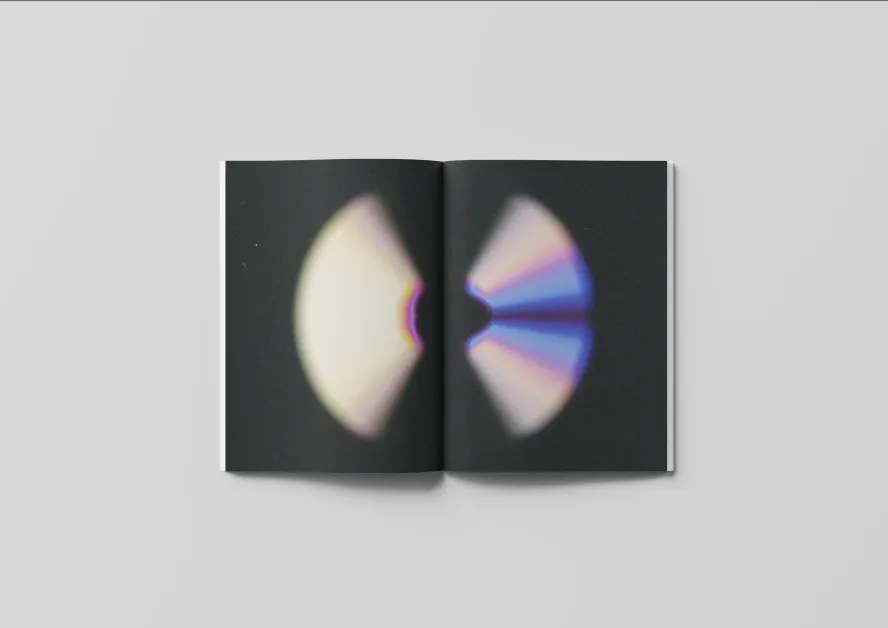
Aesthetic Empathy 01 by Sara Carpiniello, 2021
Final major project: A project that serves as a culmination of Sara’s academic journey, encouraging innovation, self-expression, and a deep understanding of their chosen subject matter using design communication skills.
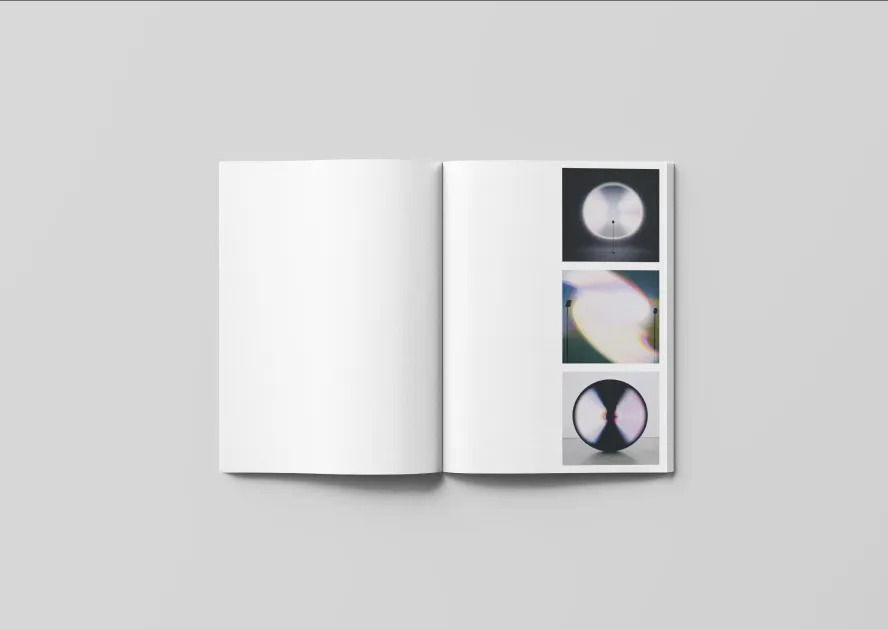
Aesthetic Empathy 02 by Sara Carpiniello, 2021
Final major project: A project that serves as a culmination of Sara’s academic journey, encouraging innovation, self-expression, and a deep understanding of their chosen subject matter using design communication skills.
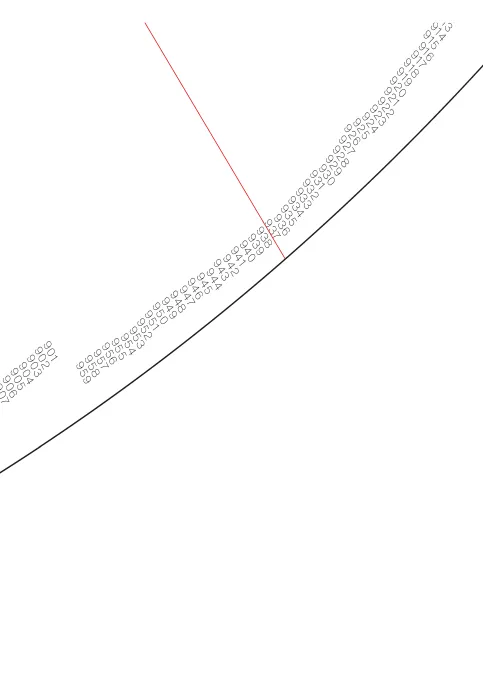
Convertible Time 01 by Shirley Hui 2022
How time is money and how money is time. How do we measure time?
Final major project: A project that serves as a culmination of Shirley’s academic journey, encouraging innovation, self-expression, and a deep understanding of their chosen subject matter using design communication skills.
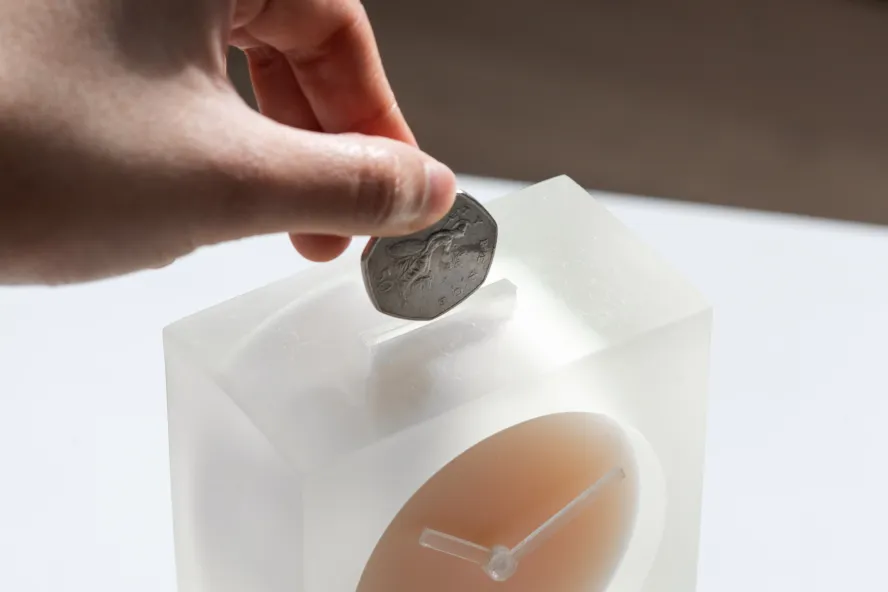
Convertible Time 02 by Shirley Hui 2022
How time is money and how money is time. How do we measure time?
Final major project: A project that serves as a culmination of Shirley’s academic journey, encouraging innovation, self-expression, and a deep understanding of their chosen subject matter using design communication skills.
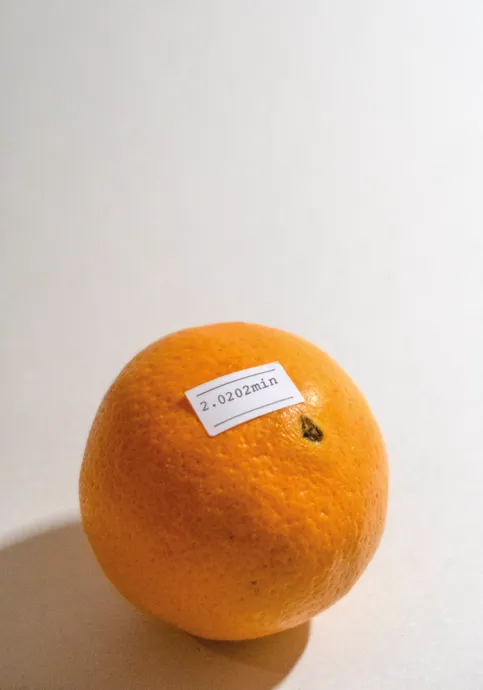
Convertible Time 03 by Shirley Hui 2022
How time is money and how money is time. How do we measure time?
Final major project: A project that serves as a culmination of Shirley’s academic journey, encouraging innovation, self-expression, and a deep understanding of their chosen subject matter using design communication skills.
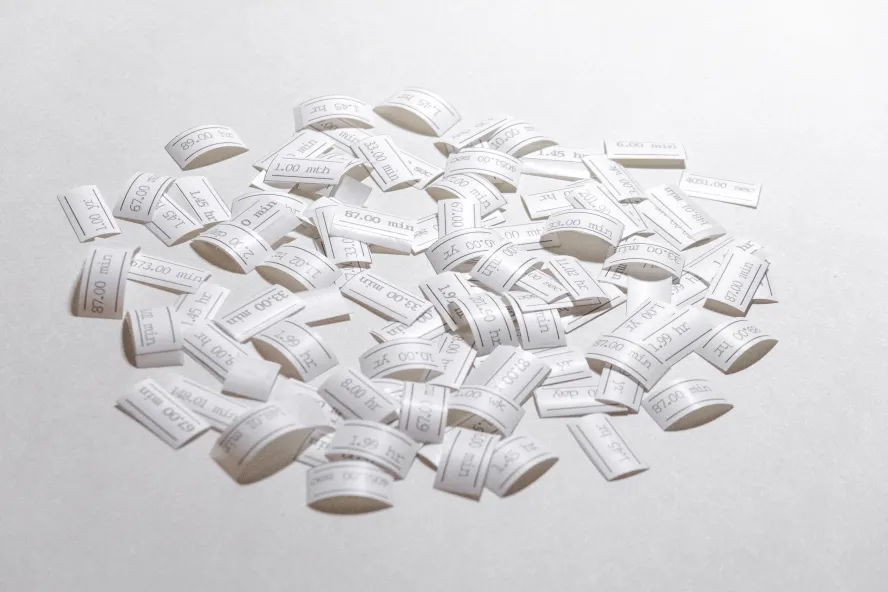
Convertible Time 04 by Shirley Hui 2022
How time is money and how money is time. How do we measure time?
Final major project: A project that serves as a culmination of Shirley’s academic journey, encouraging innovation, self-expression, and a deep understanding of their chosen subject matter using design communication skills.
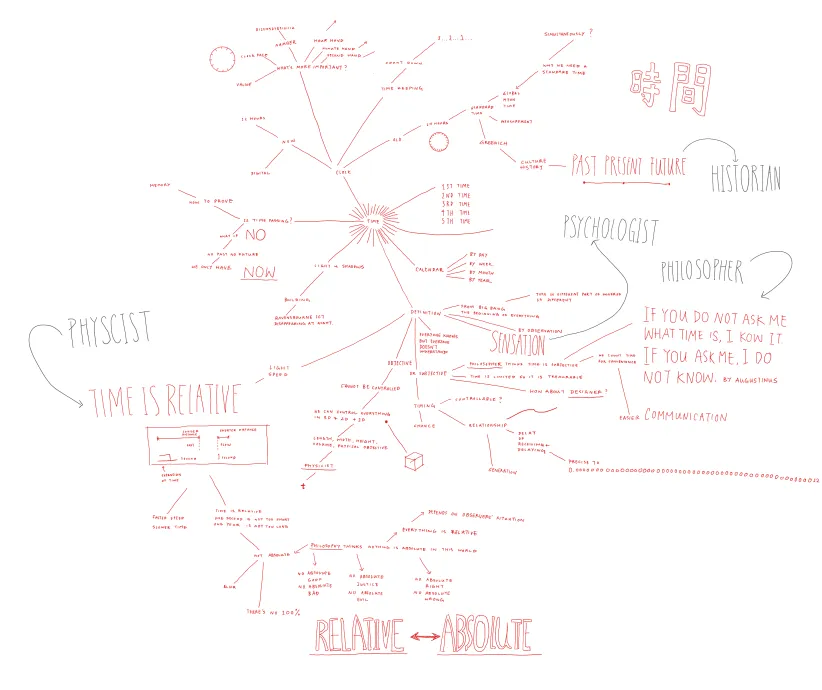
Convertible Time 05 by Shirley Hui 2022
How time is money and how money is time. How do we measure time?
Final major project: A project that serves as a culmination of Shirley’s academic journey, encouraging innovation, self-expression, and a deep understanding of their chosen subject matter using design communication skills.
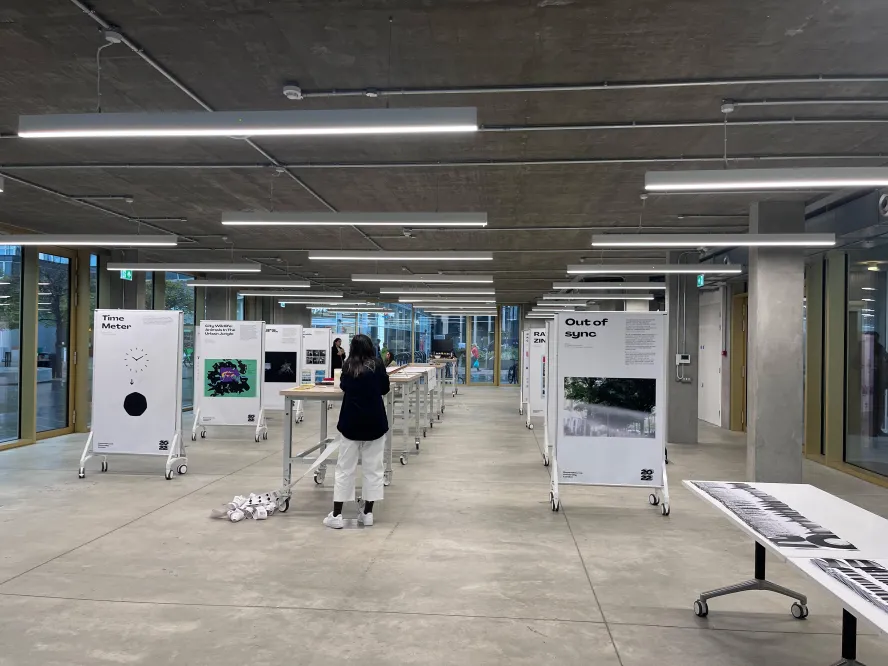
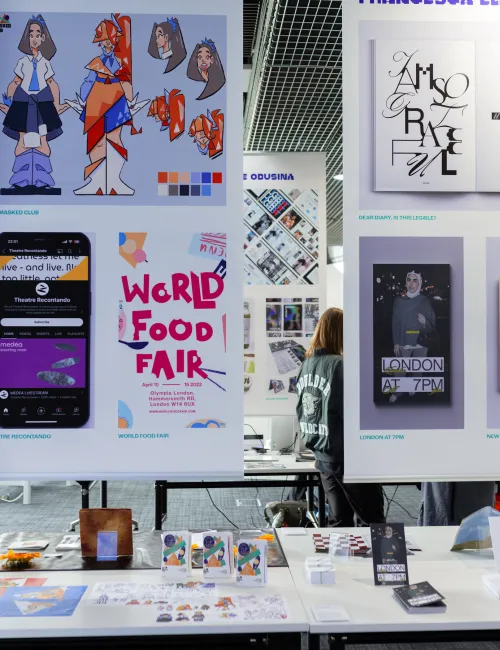
MA Design Communication show 2022
MA Design Communication final degree show at the Design District, London. the show ran over 3 days and over 200 people from creative industries attended. Including publishers, graphic design studios and design agencies.


Location and facilities
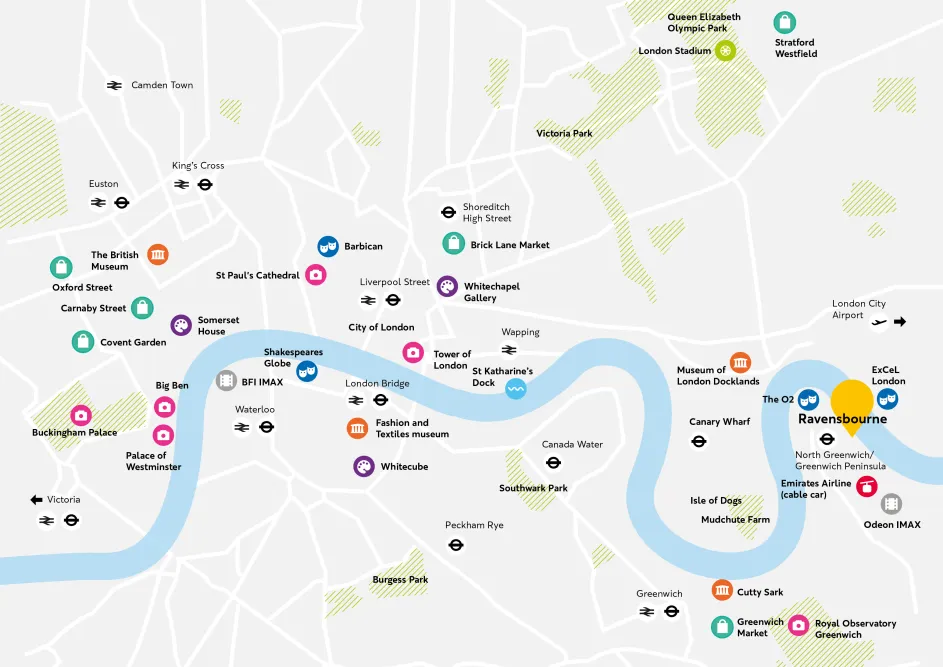
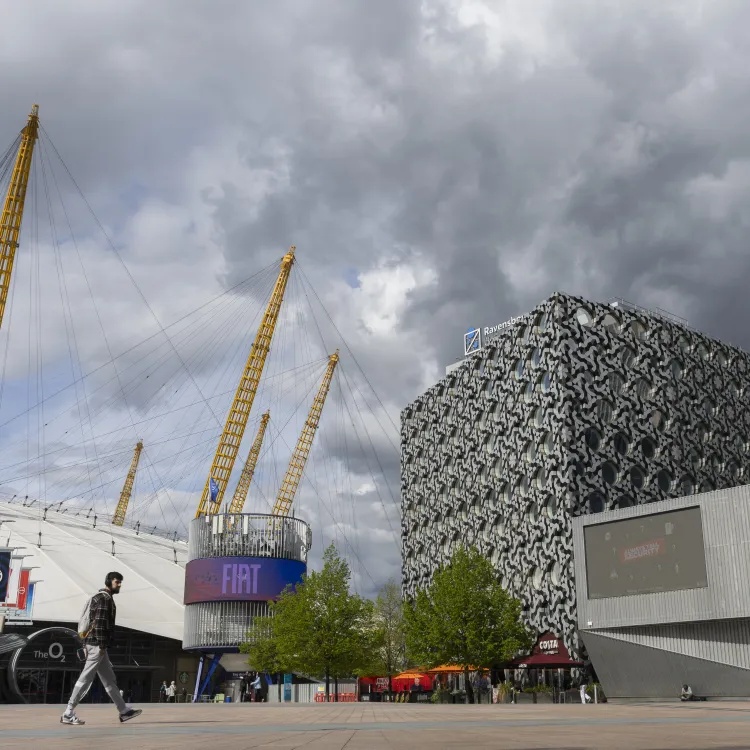
Our prime location beside the iconic O2 gives students direct access to one of London's most exciting centres for innovation, business, and opportunity.
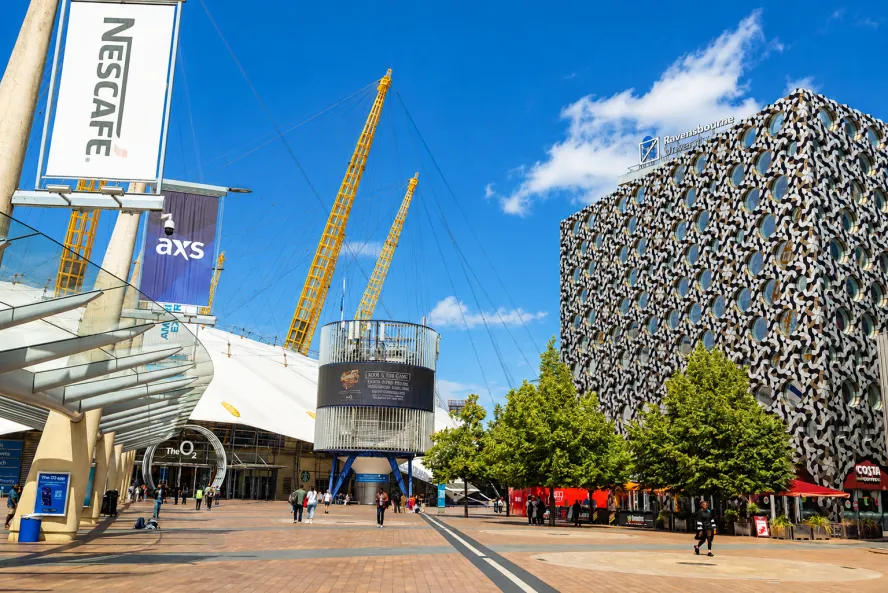
Ravensbourne R1 building and campus
Discover our campus which brings together a range of courses at the intersection of business, technology, and creativity.
Located in the heart of the Design District and next to London's iconic O2 Arena, you'll study in a vibrant hub of innovation. Find out more about our campus and its cutting-edge facilities here.

iMac suite at Ravensbourne
iMac suite at Ravensbourne University - ideal for design students and computing students.
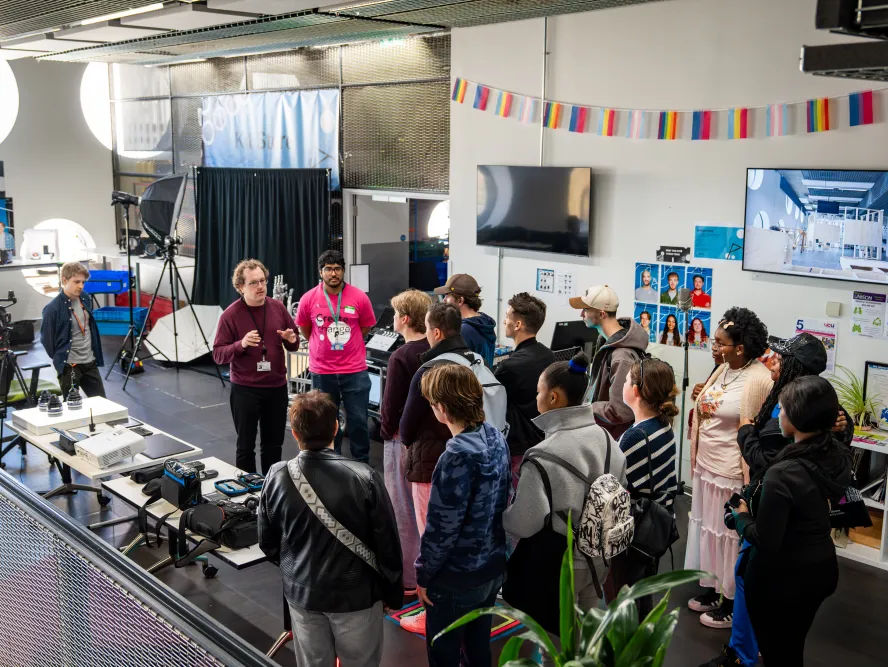
Kit store equipment
Our kit store is open to all students and helps you graduate industry-ready by giving you access to essential cameras, audio lighting and more - find out more about these facilities here.
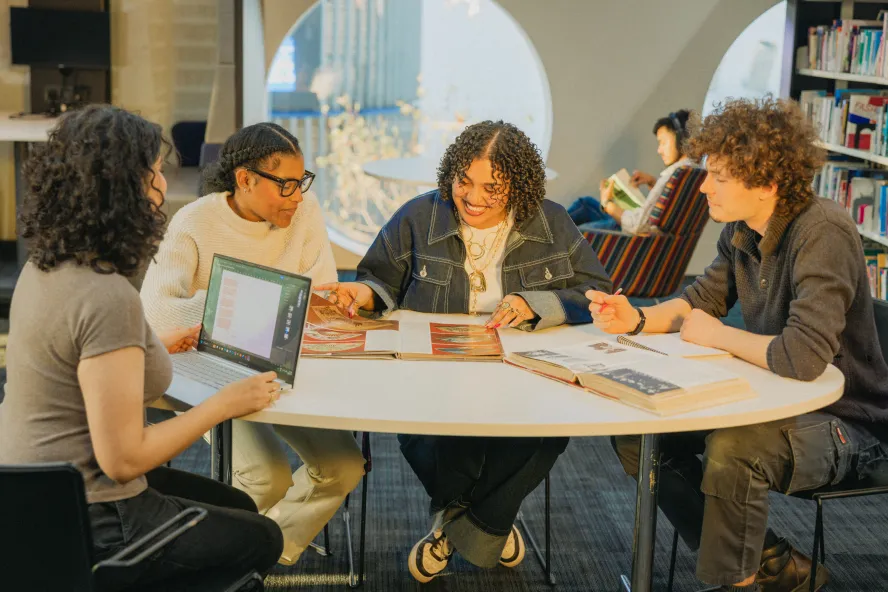
Library
Our library offers a wide range of print, digital and multimedia resources to support learning, teaching and research - find out more
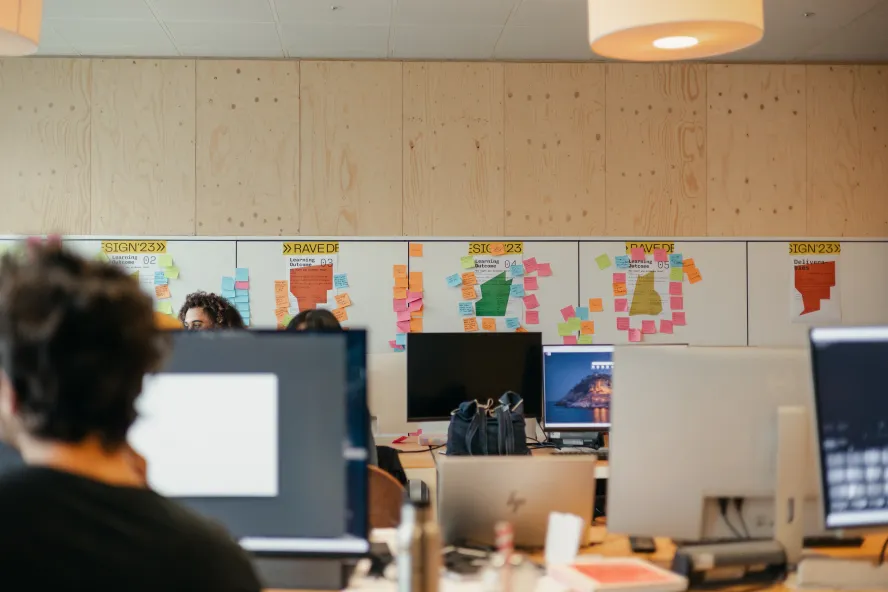
R3 Study Space
Ravensbourne's campus features plenty of inter-disciplinary, open-plan work spaces, ideal for collaboration with your course mates.