BA (Hons) Multimedia and Broadcast Journalism
Apply now:
Course overview
-
Starts:Sep 2027
-
Duration: 3 years
-
Mode:Full time
-
UCAS code:P314
-
Fees:UK: £9,790/year International: £17,500/year
*Fees apply to 2026-27 entry only.
Spread the news
Journalism is changing fast. This modern, practice-driven broadcast journalism degree prepares you to create trustworthy, engaging stories across broadcast, digital and emerging media - with the industry skills today’s newsrooms demand.
Why study this degree?
From your first week on this journalism degree, you’ll work in environments that mirror the pace and pressure of contemporary journalism.
Storytelling across every platform
Digital, broadcast and social storytelling are integrated throughout the curriculum - not treated as an add-on
Real broadcast workflows, from planning to live
Access tools, systems and editorial processes found in professional broadcast environments - including live production workflows, newsroom planning, verification techniques and editorial decision-making
Active journalists, working in the industry
Teaching stuff are active industry professionals with experience at BBC, Sky News, and major broadcasters
Go live and build your portfolio
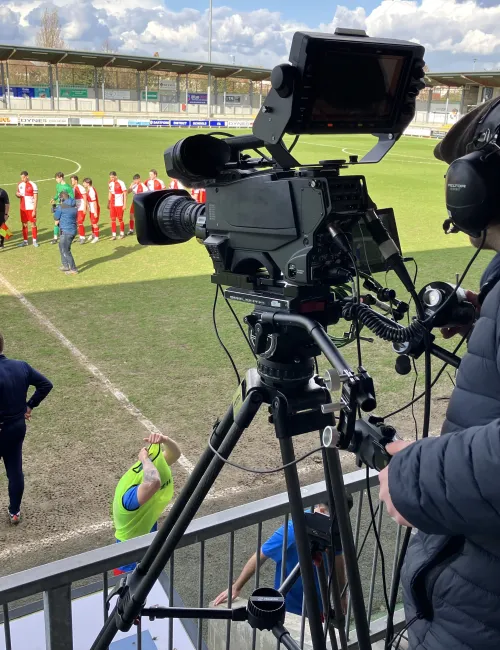
Build your professional profile through real-world projects, placements, and live broadcasts
Audience-first journalism for every platform
Learn the skills modern journalism demands - from mobile reporting and AI literacy to verification and audience-first storytelling across every platform
More reasons to choose this course
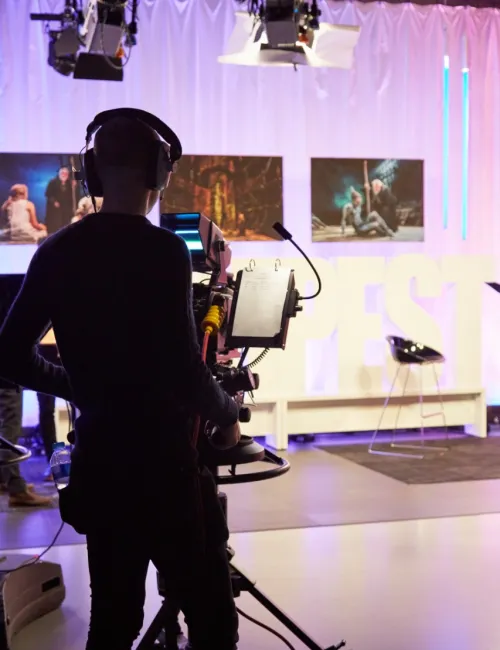
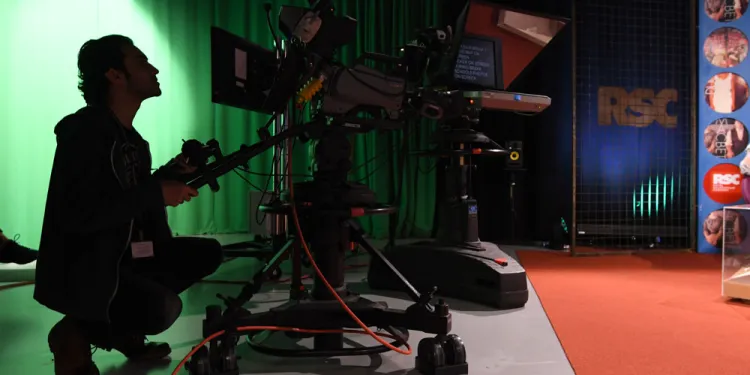
Our studios, galleries and digital production spaces will become your newsroom. You’ll learn how to pitch stories, verify information, build rundowns, produce live segments and collaborate under real editorial deadlines.
Across three years, you’ll develop a deep understanding of how stories move from idea to broadcast, from field to feed, and from raw information to public impact. You’ll learn to work across platforms - adapting your storytelling for television, radio, online, social and emerging formats - and build a portfolio that demonstrates your ability to operate in a modern, multimedia environment.
The specifics
Entry requirements
At Ravensbourne we accept a wide range of qualifications for entry onto our courses, whilst also considering the context in which they were achieved. For this course, we would usually require a GCSE Grade 4 or above in English in addition to any of the below
- Three A Levels at grade BCC or above
- BTEC Extended Diploma at grade DMM
- UAL Level 3 Extended Diploma
- T Level (pass or above)
- Access to Higher Education Diploma
- International Baccalaureate at grade 25 or above
- Other/Mixed qualifications equivalent to 104 UCAS Tariff points
At Ravensbourne we take a flexible approach to admissions, as we want you to know exactly what you need to achieve in your exams to guarantee a place on the course. We still think exams are important and look forward to hearing about your successes, but we place just as much importance on the work you will share with us as part of our portfolio process.
Interview and portfolio requirements
Applicants are expected to submit a portfolio of work, which can take the form of a showreel/demo showcasing a range of their skills or links to previous and current samples of work.
Lecturers
Location and facilities
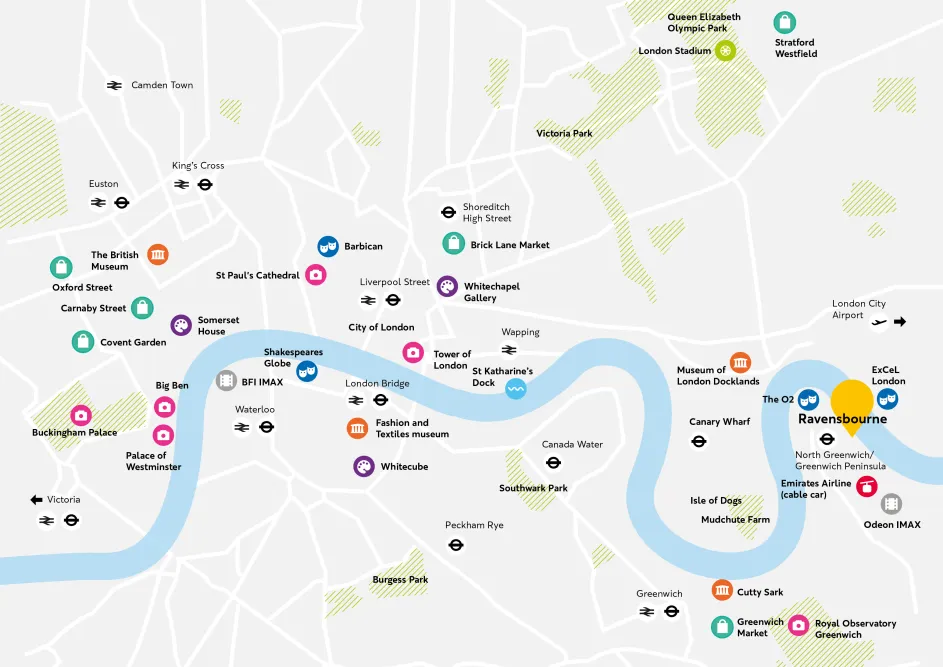
We enjoy a prime location right next to the iconic O2, placing our students at the heart of one of London's most vibrant innovation hubs.
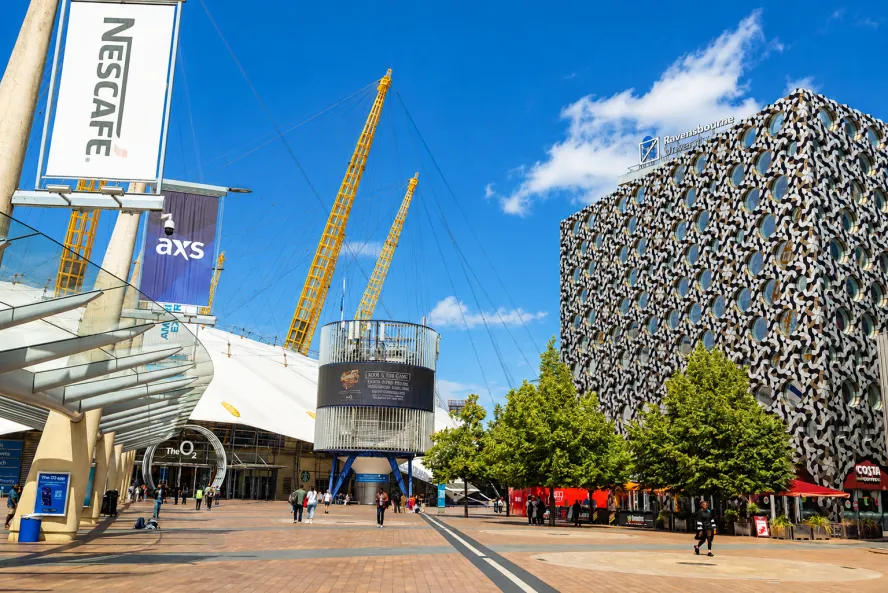
Ravensbourne R1 building and campus
Discover our campus which brings together a range of courses at the intersection of business, technology, and creativity.
Located in the heart of the Design District and next to London's iconic O2 Arena, you'll study in a vibrant hub of innovation. Find out more about our campus and its cutting-edge facilities here.
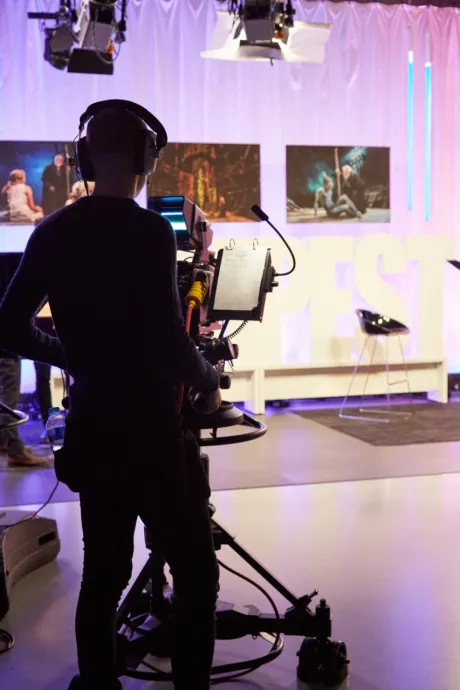
Broadcast engineering
Gain hands-on experience with professional recording, mixing and production equipment.
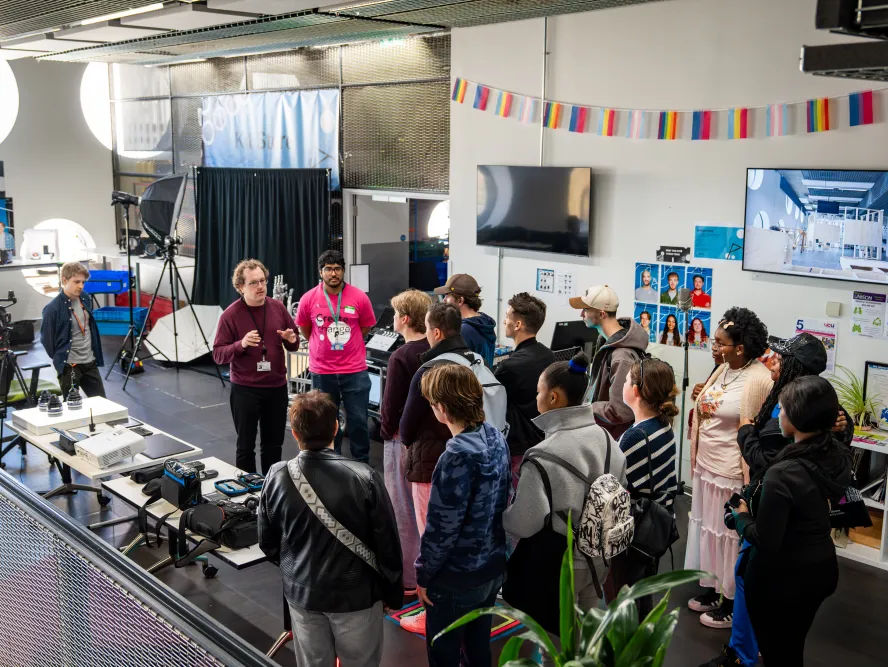
Kit store equipment
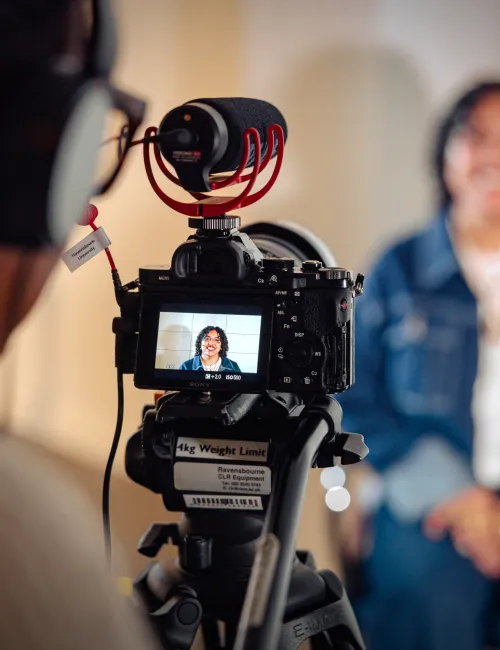
Our kit store is open to all students and helps you graduate industry-ready by giving you access to essential cameras, audio lighting and more - find out more about these facilities here.

Library
Our library offers a wide range of print, digital and multimedia resources to support learning, teaching and research - find out more